Top Types of Lamp Socket Explained for Your Lighting Needs?
Choosing the right lamp socket can make a significant impact on your lighting experience. With various styles available, understanding lamp sockets becomes essential for effective lighting. Each socket type serves unique purposes and fits different bulbs.
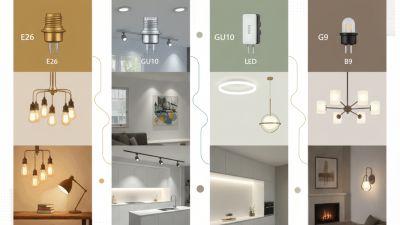
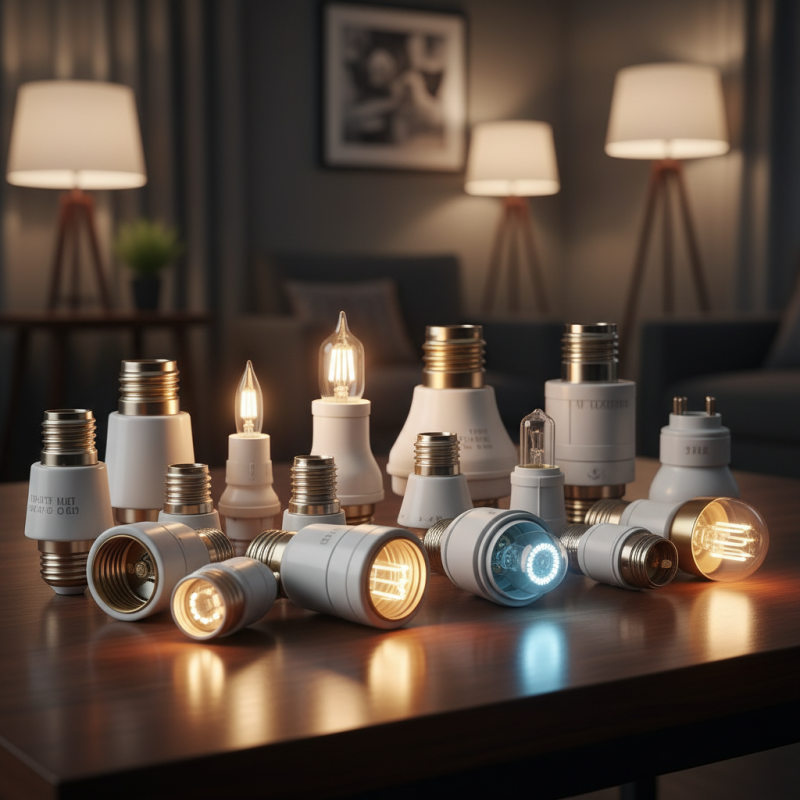
In this exploration, we will delve into popular lamp socket types. The knowledge will help you choose wisely for your needs. There are standard sockets, like the E26, and specialty options, like the GU10. Each has its benefits and specifications. The E26 is common in homes, while the GU10 is popular for spotlighting.
Consider your preferences when selecting a lamp socket. Do you prefer ease of bulb replacement? Or perhaps versatility in light usage? An informed choice leads to better lighting solutions. Nonetheless, it’s essential to reflect on your options. Some sockets may not suit every fixture, which could lead to future frustration. Proper understanding will enhance your overall lighting experience.
Understanding the Basics of Lamp Sockets in Lighting Design
When designing a lighting scheme, understanding lamp sockets is crucial. They are the connection point between the light source and the power supply. Common types include E26, E27, and GU10. Each type serves specific purposes. For instance, E26 is used in standard household bulbs. In contrast, GU10 is popular for spotlight applications.
According to industry reports, approximately 70% of energy-efficient bulbs use E26 sockets. This means they dominate the market. However, many still struggle to choose compatible sockets for their projects. Consulting resources can help clarify the right options. This lack of clarity can result in mismatched fittings, wasting both time and money.
Moreover, the frequent use of various sockets can complicate installations. Over time, these complications can lead to user frustration. Lighting professionals often observe errors in socket selections during installations. As the market evolves, keeping up with new socket designs becomes a challenge. Balancing function and aesthetics is key. Users must reflect on their choices to avoid common pitfalls.
Common Types of Lamp Sockets and Their Uses in Home Lighting
When it comes to home lighting, understanding lamp sockets is crucial. Common lamp sockets include the E26 and E27 types. The E26 socket is widely used in North America. Data suggests that around 50% of households utilize this socket for standard light bulbs. They fit various bulb styles, including LED and incandescent.
The E27, popular in Europe, is similar but slightly larger. This socket supports many different bulb types too. Research shows that more than 30% of homes use the E27 for outdoor lighting solutions. Both sockets are versatile, yet they may not fit all fixtures. It’s important to check compatibility.
Another common type is the GU10 socket, often used in spotlights. This socket often features a twist-and-lock mechanism. Despite its popularity, some consumers report difficulties with bulb replacement due to tight fittings. Understanding these nuances is key for effective home lighting. Choose wisely to meet your needs.
Key Features to Consider When Choosing a Lamp Socket
When choosing a lamp socket, several key features come into play. The base type is critical. Common options include E26, E27, and GU10. Each type has a specific design that fits different fixtures. According to industry reports, E26 sockets make up nearly 50% of the market. Their versatility allows them to be used in various settings.
Another important factor is the socket's material. Metal and ceramic are popular choices, but plastic options are available too. Durability varies based on the material. Metal sockets tend to last longer, but they can be more expensive. Ceramic sockets, while resilient to heat, can be vulnerable to breakage. A report from the Lighting Research Center noted that 30% of lamp failures are due to socket issues.
Wattage compatibility is also essential. Make sure the socket can handle the wattage of your bulb. Using a socket that can’t handle the wattage may lead to overheating. This could pose safety risks. Many users overlook this when selecting sockets. Additionally, some sockets offer dimming options. If mood lighting is important, consider this feature. However, not all dimming sockets function well with LED bulbs. Always check compatibility before purchasing.
Top Types of Lamp Socket Explained for Your Lighting Needs
This bar chart illustrates the different types of lamp sockets and their common usages in lighting applications. The height of each bar represents the percentage of usage among the most popular types of lamp sockets.
Mounting Techniques for Different Lamp Socket Types
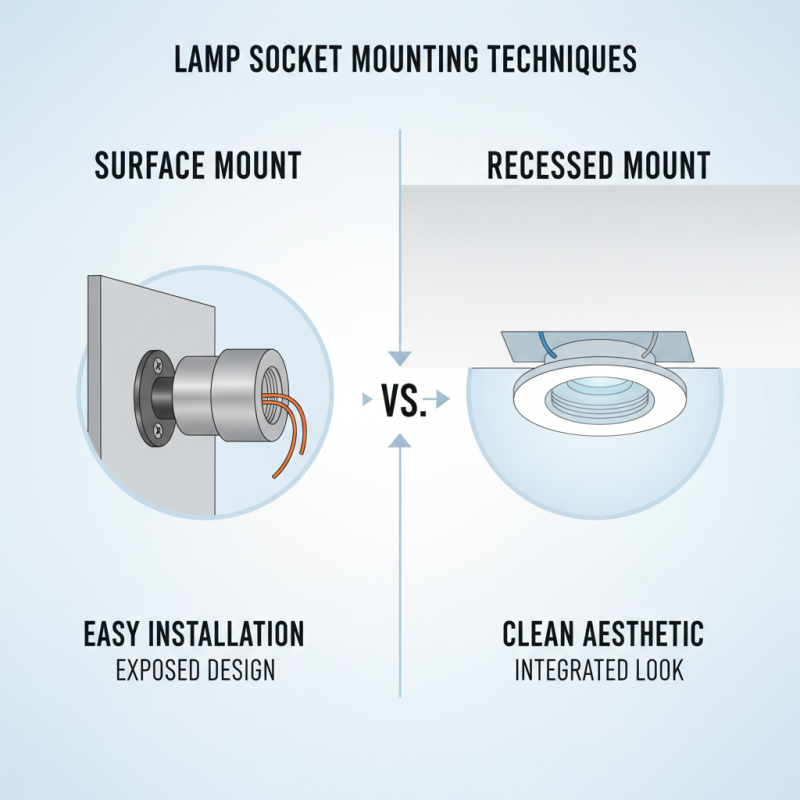
When it comes to lamp sockets, different mounting techniques can greatly affect performance and aesthetics. Some sockets are designed for surface mounting, while others require recessed installations. Surface-mounted sockets are straightforward; they attach directly to the wall or ceiling. However, they often lack sleekness.
Recessed sockets, on the other hand, provide a more streamlined look. These are typically installed within a fixture or wall. They can create an ambient glow, but installation can be tricky. One must choose the right depth and ensure proper wiring. A slip-up can lead to safety issues or unsatisfactory lighting.
Another interesting option is pendant sockets. These hang from the ceiling like a pendant, offering flexibility in light placement. They can enhance a room's style, but hanging lights can be cumbersome during maintenance or bulb replacement. Each method has its pros and cons. The key is to carefully consider your space and lighting needs before making a decision. It's okay to second-guess your choice. Take your time to find the best fit.
Safety Tips for Installing and Replacing Lamp Sockets
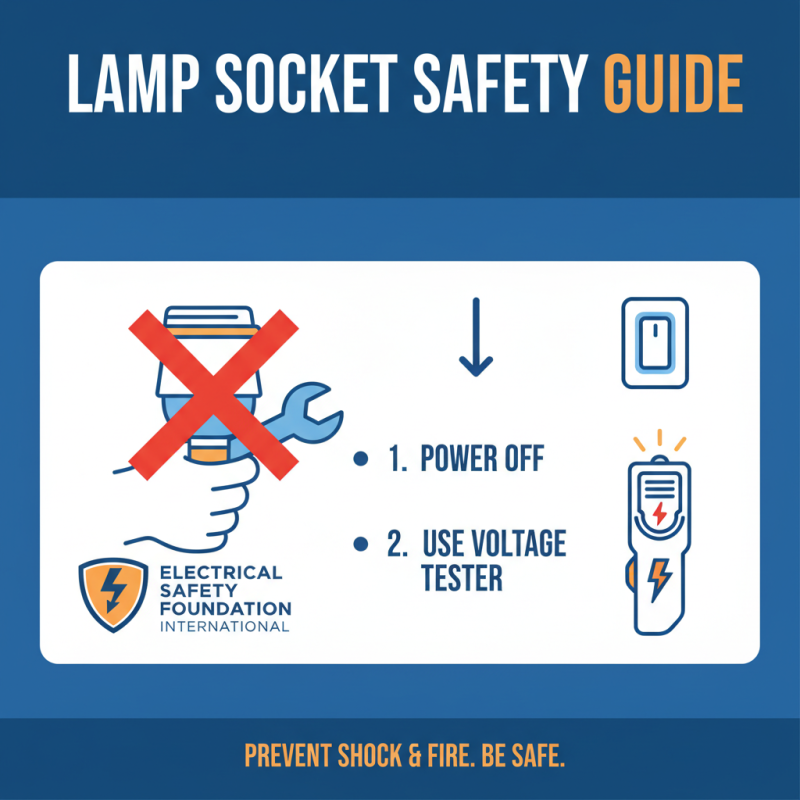
When replacing or installing lamp sockets, safety is paramount. According to the Electrical Safety Foundation International, improper handling can lead to electrical shock or fire. Always ensure the power is turned off before you begin. Use a non-contact voltage tester to double-check. It’s a simple step that could save you from serious accidents.
Choosing the right socket type is crucial. Match the socket with the lamp wattage and bulb type. For example, a standard E26 socket handles up to 100 watts. Using a higher watt bulb in the wrong socket can cause overheating. A survey by the National Fire Protection Association found that nearly 40% of electrical fires were linked to improper bulb usage.
Install the socket securely. Loose connections can lead to arcing, increasing fire risk. Tighten screws gently, ensuring they hold firm without stripping. Inspect for any signs of fraying or damage in wiring. Remember, a socket replacement isn’t just about aesthetics; it’s about safety and functionality. Always err on the side of caution. If unsure, consult a professional.