Top 10 Lamp Socket Types You Need to Know for Your Home Lighting
When it comes to home lighting, the significance of choosing the right lamp socket cannot be overstated. According to the National Electrical Manufacturers Association (NEMA), the correct lamp socket plays a crucial role in energy efficiency and safety within residential lighting systems. With advancements in lighting technology and the growing popularity of LED alternatives, the demand for diverse lamp socket types has surged, making it essential for homeowners to understand their options.
A recent report by the U.S. Department of Energy highlighted that energy-efficient lighting solutions can significantly reduce energy consumption by up to 75%. An integral part of this transformation is selecting the appropriate lamp socket that not only matches the bulb type but also enhances the overall ambiance of a space. To optimize home lighting, it is vital to explore the different lamp socket types available, each offering unique features tailored to specific lighting needs and styles.
As we delve into the top 10 lamp socket types you need to know for your home lighting, we will shed light on their functionalities, compatibility, and how each can elevate the aesthetic and efficiency of your living environment. Understanding these lamp sockets paves the way for a more informed decision when updating or installing new lighting fixtures in your home.
Understanding the Importance of Lamp Socket Types in Home Lighting
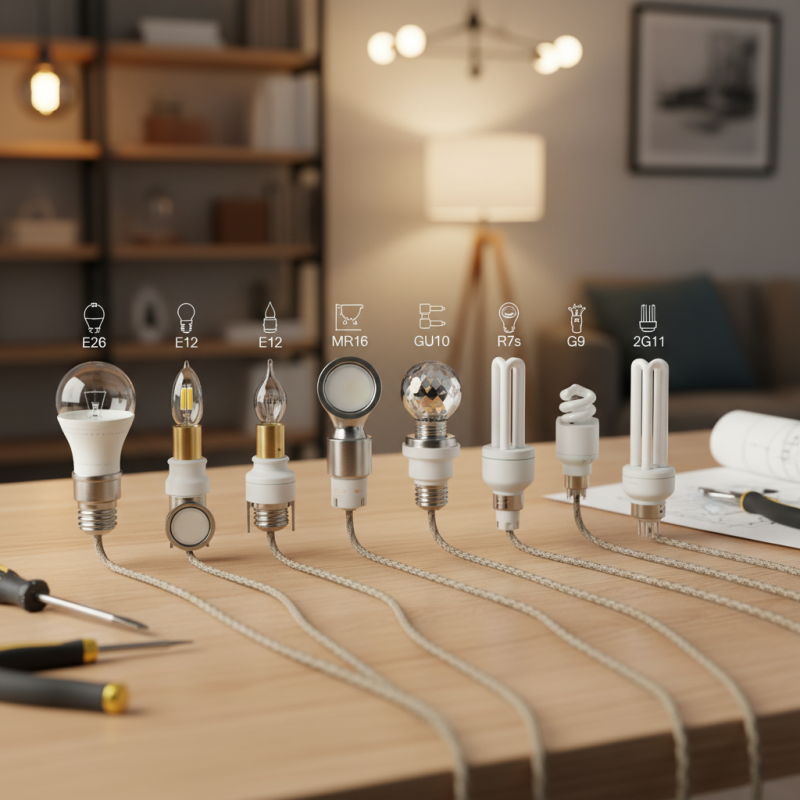
Understanding the different types of lamp sockets is crucial for enhancing your home lighting. A report by the U.S. Department of Energy highlights that proper socket selection can improve energy efficiency by up to 30%, ensuring that your lighting choices contribute positively to both your environment and your energy bills. Lamp sockets come in various types, including E26, E12, and GU10, each serving specific purposes and bulb compatibility. Choosing the right socket type not only impacts the aesthetic of your space but also maximizes the performance and lifespan of the bulbs used.
When considering your options, it's essential to evaluate the compatibility of the socket with the intended light bulb type. For instance, LED bulbs are known for their energy efficiency, but using them with an incompatible socket can lead to over-heating and reduced longevity. Tips for maximizing your home's lighting include checking the wattage ratings of your sockets to prevent any potential hazards and opting for dimmable sockets when flexibility in lighting intensity is desired.
Additionally, the installation and maintenance of lamp sockets play a significant role in home safety and efficiency. Regularly inspect sockets for signs of wear or damage, as faulty connections can lead to electrical hazards. By understanding the importance of lamp socket types in your home, you can create a safer, more efficient, and visually appealing lighting environment.
Exploring the Most Common Lamp Socket Types for Household Use
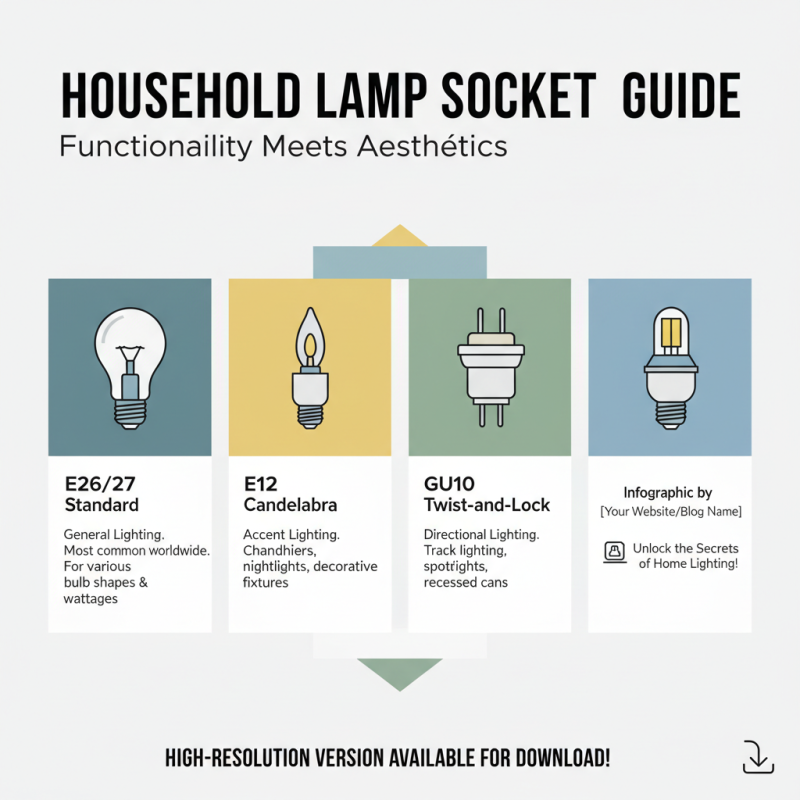
When it comes to household lighting, understanding the different types of lamp sockets is essential for both functionality and aesthetics. There are several common lamp socket types used in homes, each designed to accommodate different bulb types and wattages. The most frequently encountered sockets include the standard E26 and E27, often used for general lighting purposes, and the smaller E12 socket, which is popular for accent lighting in chandeliers. A unique option is the GU10 socket, commonly found in spotlight fixtures, allowing for easy bulb replacement and enhanced directional light.
Tips: When selecting lamp sockets, always consider the type of bulb you plan to use and the desired lighting effect. For instance, if you're looking for energy efficiency, opting for LED-compatible sockets can yield significant savings on your electricity bill. Additionally, ensure that the socket's wattage rating matches your bulb to prevent any potential hazards. Lastly, pay attention to the color temperature of the bulbs; warmer tones create a cozy ambiance, while cooler shades are ideal for task-oriented spaces.
Another important consideration is the socket's compatibility with dimmer switches. If you intend to use dimmable bulbs for varying light levels, double-check that your chosen socket type supports this functionality. This will not only extend the lifespan of your light bulbs but also enhance the atmosphere of your home, making it adaptable for both relaxation and productivity.
Detailed Overview of Standard and Specialty Lamp Socket Variations
Understanding the different types of lamp sockets available is crucial for effective home lighting, as each variation serves specific functions and offers unique benefits. According to the National Electrical Manufacturers Association (NEMA), there are over 10 distinct lamp socket types widely used in residential settings. The most common include the standard E26 and E27 sockets, favored for their compatibility with most light bulbs, including LEDs, incandescents, and compact fluorescents. These sockets are designed to accommodate a range of wattages, ensuring versatility in lighting options.
In addition to the standard variations, specialty lamp sockets such as GU10 and G4 are gaining popularity for specific applications. The GU10 socket, primarily used for spotlighting, offers a twist-and-lock mechanism, making it ideal for track lighting setups. Meanwhile, G4 sockets are commonly seen in low-voltage applications, allowing homeowners to achieve intricate lighting designs without incurring high energy costs. According to a report from the Lighting Research Center, the shift towards LED lighting has also influenced socket design, with energy-efficient options becoming increasingly available in both standard and specialty formats. This trend not only promotes better energy consumption but also enhances the aesthetic appeal of various spaces within the home.
Compatibility and Functionality: Choosing the Right Socket for Your Needs
When it comes to home lighting, choosing the right lamp socket is crucial not only for compatibility but also for optimal functionality. The significant variety of lamp socket types, such as Edison screw, bayonet, and candelabra, each serves specific applications and lighting needs. According to a recent report by the Lighting Research Center, more than 70% of homeowners experience difficulties in selecting compatible sockets, leading to wasted time and money on unsuitable fixtures. Understanding the characteristics and applications of each socket type can streamline this process.
Tips for choosing the right socket include assessing the wattage requirements of your bulbs to ensure compatibility and longevity. For instance, the standard E26 socket supports up to 100 watts, making it ideal for most common household bulbs. Additionally, consider the fixture's aesthetic and functional needs—while a vintage look may require a candelabra socket, modern designs often pair better with GU10 or MR16 sockets, which cater to integrated LED systems.
Another area to focus on is the lumens output. The American Energy Information Administration recommends ensuring that your socket type can adequately support the brightness your space needs. For example, a 10-watt LED bulb can produce the same lumens as a 60-watt incandescent bulb, emphasizing the need for compatible sockets that can accommodate energy-efficient options. By keeping these factors in mind, you can enhance your home lighting experience while ensuring safety and efficiency.
Top 10 Lamp Socket Types You Need to Know for Your Home Lighting
| Socket Type |
Compatibility |
Functionality |
Common Uses |
| E26/E27 |
Standard in North America |
General lighting |
Lamps, ceiling fixtures |
| E12 |
Candelabra lamps |
Accent lighting |
Chandeliers, decorative fixtures |
| GU10 |
Dimmable LED/flood lights |
Spot lighting |
Track lighting, recessed lights |
| B22 |
Common in UK |
General lighting |
Floor lamps, ceiling lights |
| E14 |
Small screw base |
Decorative lighting |
Wall sconces, small lamps |
| G4 |
Low voltage applications |
Accent and display lighting |
Under-cabinet lighting, landscape |
| R7s |
Linear halogen bulbs |
High-intensity lighting |
Floodlights, work lamps |
| E26/E27 with Socket Adapter |
Versatile for various fittings |
Adaptability |
Using different bulb types |
| MR16 |
Common in landscape lighting |
Directional lighting |
Track lights, spotlights |
| Candelabra Socket |
E12 bulbs |
Stylish ambiance |
Candle-style fixtures |
Tips for Safe Installation and Maintenance of Lamp Sockets in Your Home
When it comes to lamp sockets, ensuring safe installation and proper maintenance is crucial for both functionality and safety. One of the primary tips is to always turn off the power supply before beginning any work on lamp sockets. This simple precaution can prevent electrical shocks and accidents. Additionally, using insulated tools can provide an extra layer of safety during installation.
Regular maintenance is also essential for the longevity of your lamp sockets. Inspect them periodically for any signs of wear, such as frayed wires or loose connections. If you notice any damage, replace the socket immediately to prevent potential hazards. Keeping the area around your lamp sockets clean and dust-free can also enhance their performance and extend their lifespan.
Finally, consider making use of appropriate bulbs for each socket type. Overloading a socket with a bulb that exceeds its wattage rating can lead to overheating and failure. Adhering to these maintenance tips will not only ensure your home lighting system remains functional but also safe for you and your family.
Top 10 Lamp Socket Types You Need to Know
This chart illustrates the popularity of various lamp socket types based on common usage in home lighting. The E26 and E27 sockets are the most prevalent, while GU5.3 and G9 sockets are less common. Understanding these types can help in selecting the right fixtures for your lighting needs.