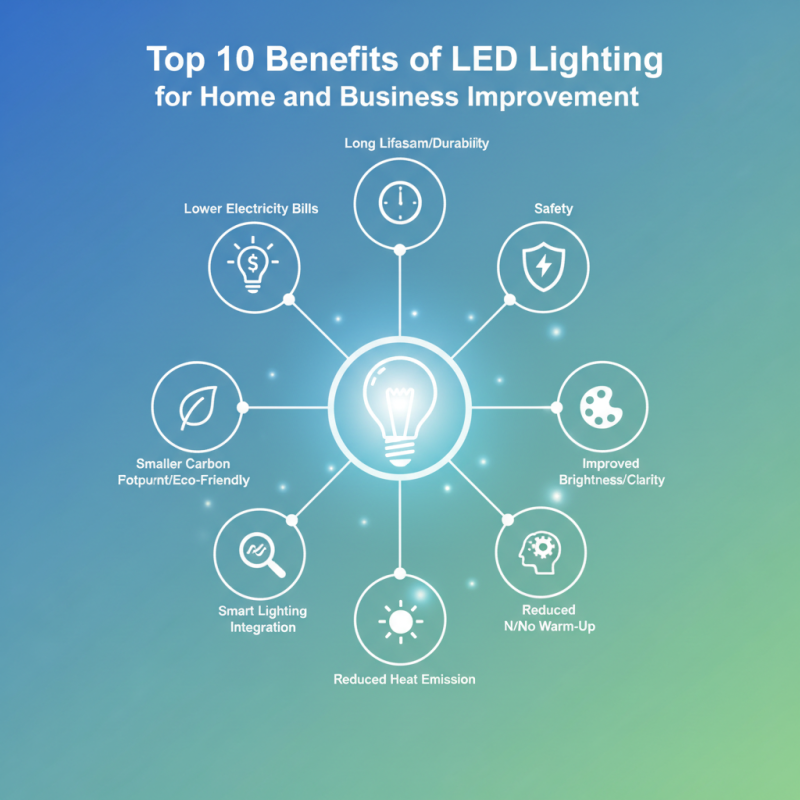
Top 10 Benefits of LED Lighting for Home and Business Improvement
In recent years, LED lighting has emerged as a transformative force in both residential and commercial spaces. With its energy efficiency, longevity, and versatility, many experts endorse LED lighting as the optimal choice for modern illumination needs. According to Dr. Emily Carter, a leading authority in sustainable lighting solutions, "Adopting LED technology not only enhances the aesthetic appeal of any environment but also significantly reduces energy consumption and maintenance costs."
As more homeowners and businesses explore the benefits of LED lighting, it becomes clear that implementing this advanced technology offers a myriad of advantages. From lower electricity bills to a smaller carbon footprint, the impact of transitioning to LED lighting can be profound. Furthermore, the aesthetic versatility of LED lights allows for unique and creative designs, catering to various styles and preferences.
This article will delve into the top 10 benefits of LED lighting, illustrating how it serves as a catalyst for improvement in homes and businesses alike. Emphasizing its role in promoting efficiency and sustainability, we will explore how LED lighting can transform any space while contributing to a greener future.
Benefits of Enhanced Energy Efficiency through LED Lighting
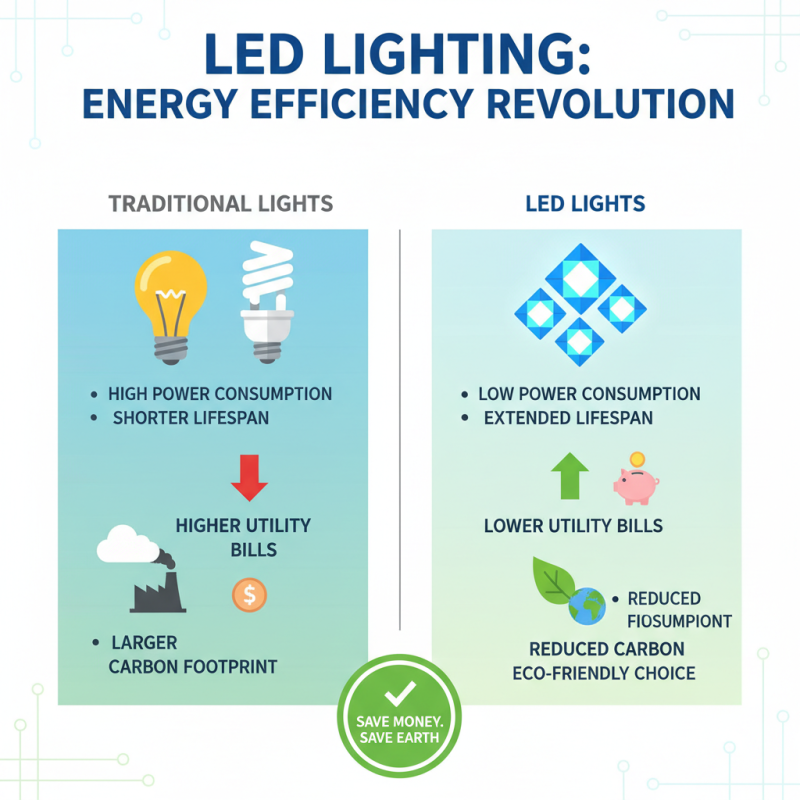
LED lighting has significantly transformed the landscape of energy efficiency in both residential and commercial spaces. One of the most compelling benefits of using LED lights is their remarkable energy savings. Unlike traditional incandescent or fluorescent bulbs, LEDs consume far less electricity while providing the same, if not better, illumination. This reduction in power usage not only helps lower utility bills but also reduces the overall carbon footprint, making them an eco-friendly choice for those looking to contribute to sustainability efforts.
Moreover, the long lifespan of LED lighting further enhances energy efficiency. These lights can last anywhere from 15,000 to 50,000 hours, which means less frequent replacements and lower disposal costs. This longevity minimizes the need for manufacturing and transporting new bulbs, resulting in reduced resource consumption. Implementing LED lighting solutions can therefore lead to substantial efficiency gains over time, ensuring that both homes and businesses can enjoy ongoing savings while also promoting a greener environment.
Significant Cost Savings on Energy Bills with LED Implementations
Adopting LED lighting has become a pivotal strategy for both residential and commercial sectors, primarily due to its potential for significant cost savings on energy bills. According to the U.S. Department of Energy, switching to LED lighting can save as much as 75% on energy costs compared to traditional incandescent bulbs. This remarkable reduction is attributed to the high efficiency of LEDs, which convert a greater percentage of energy into light, rather than heat. For a typical household or business, this could result in savings amounting to hundreds of dollars annually.
In addition to direct energy savings, LED lighting offers extended lifespan benefits, further contributing to reduced costs. LEDs can last up to 25,000 hours or more, compared to 1,000 hours for incandescent bulbs. The National Renewable Energy Laboratory reports that by switching to LEDs, businesses can decrease their maintenance costs significantly since replacing burnt-out bulbs is less frequent. This dual advantage of lower energy consumption and reduced operational expenses makes LEDs not just an eco-friendly choice, but also a financially savvy one for homeowners and business owners alike.
Improved Longevity and Durability of LED Fixtures Compared to Traditional Options
LED lighting has revolutionized the way we illuminate our homes and businesses, primarily due to its enhanced longevity and durability compared to traditional lighting options. LED fixtures typically last significantly longer—often up to 25,000 hours or more—while incandescent bulbs may only span about 1,000 hours. This remarkable lifespan not only reduces the frequency of replacements but also leads to lower maintenance costs over time. Less time spent on changing bulbs means increased productivity in businesses and less hassle for homeowners.
When considering LED lighting, it's important to evaluate the quality of fixtures before making a purchase. Look for those with robust construction and high-quality components to maximize durability. Additionally, ensure that they are suitable for the environment where they will be used, as certain models are designed to withstand harsher conditions.
Tip: To extend the life of your LED lights even further, consider installing dimmers. Reducing brightness not only enhances ambiance but also decreases wear on the fixtures, allowing them to shine longer. Monitor your usage and adjust the settings or placement of lights to optimize performance. Choosing energy-efficient and long-lasting LED options can transform how spaces are lit, ultimately benefitting both the environment and your wallet.
Top 10 Benefits of LED Lighting for Home and Business Improvement
Positive Environmental Impact: Reduction of Carbon Footprint with LEDs
LED lighting has emerged as a powerful ally in the quest for environmental sustainability. One of the primary benefits of adopting LED technology is its significant reduction in carbon footprint. Traditional incandescent and fluorescent lights consume more energy and produce more waste over their lifespans. In contrast, LEDs are designed to be highly energy-efficient, using up to 80% less electricity while providing the same or even superior luminosity. This efficiency translates directly to lower greenhouse gas emissions, making them a better choice for eco-conscious homes and businesses alike.
To maximize the environmental impact of LED lighting, consider these practical tips: First, conduct an energy audit of your space and identify where you can replace old lighting with LEDs. This not only enhances efficiency but also improves the overall aesthetic of your environment. Second, take advantage of smart technology by integrating LED lights with smart home systems, allowing for easy control and automation based on occupancy, which further conserves energy when spaces are unoccupied. Lastly, explore LED options with longer lifespans and recyclable materials, ensuring that your choice contributes to a circular economy and reduces waste over time.
By making the switch to LED lighting, you not only improve your space’s lighting dynamics but also play a crucial role in protecting the planet. The collective shift towards sustainable lighting solutions can lead to substantial decreases in energy consumption and ultimately, lower carbon emissions for future generations.
Boosted Productivity and Mood Enhancement in Workspaces via Better Lighting
In recent years, LED lighting has emerged as a transformative element in both home and business environments, particularly with its profound impact on productivity and mood enhancement. Research indicates that adequate lighting significantly influences employee performance; according to a study by the American Society of Interior Designers, approximately 68% of employees report that their workspaces lack sufficient lighting. By transitioning to LED lighting, businesses can ensure a well-lit environment that promotes better focus and reduces eye strain, ultimately driving productivity levels.
Moreover, the psychological benefits of improved lighting conditions cannot be understated. A report from the Pacific Northwest National Laboratory revealed that employees exposed to dynamic light systems, including LED options, showed a 20% improvement in overall work performance. This is attributed to the ability of natural light spectrum lights to enhance mood and diminish fatigue, leading to increased morale among employees.
Businesses that implement LED lighting not only witness enhanced productivity but also foster a more engaging and positive workplace atmosphere. Thus, investing in LED technology is not just an upgrade in illumination but a crucial step toward elevating the overall effectiveness and well-being of any organizational environment.