2025 Guide: How to Choose Quality LED Spare Parts for Optimal Performance
 In the ever-evolving world of lighting technology, selecting high-quality LED spare parts is crucial for maintaining optimal performance in your lighting systems. As we look ahead to 2025, understanding the essentials of LED spare parts becomes paramount for consumers and industry professionals alike. This guide aims to provide insights into the key factors influencing the choice of LED spare parts, helping you navigate the complex landscape of options available in the market.
With the rapid advancements in LED technology, the demand for reliable spare parts has surged, driven by the need for efficiency, longevity, and enhanced functionality. Understanding the differences between various types of spare parts—ranging from drivers to heat sinks—can significantly affect not only the performance of your lighting systems but also their energy consumption and lifespan. As we delve into our "2025 Top 10" recommendations, you will discover how to evaluate quality, compatibility, and effectiveness of LED spare parts, ensuring that your choices lead to improved illumination and reduced operational costs.
Understanding the Basics of LED Technology for Spare Parts Selection
Understanding the fundamentals of LED technology is crucial for selecting quality spare parts that ensure optimal performance. LEDs, or light-emitting diodes, operate based on the principles of electroluminescence, whereby a semiconductor emits light when an electric current passes through it. This process is more efficient than traditional lighting methods, leading to longer lifespans and reduced energy consumption. Familiarizing yourself with the core components of LED systems—such as the driver, lens, heat sink, and chip—can significantly influence the overall functionality and durability of your lighting solutions.
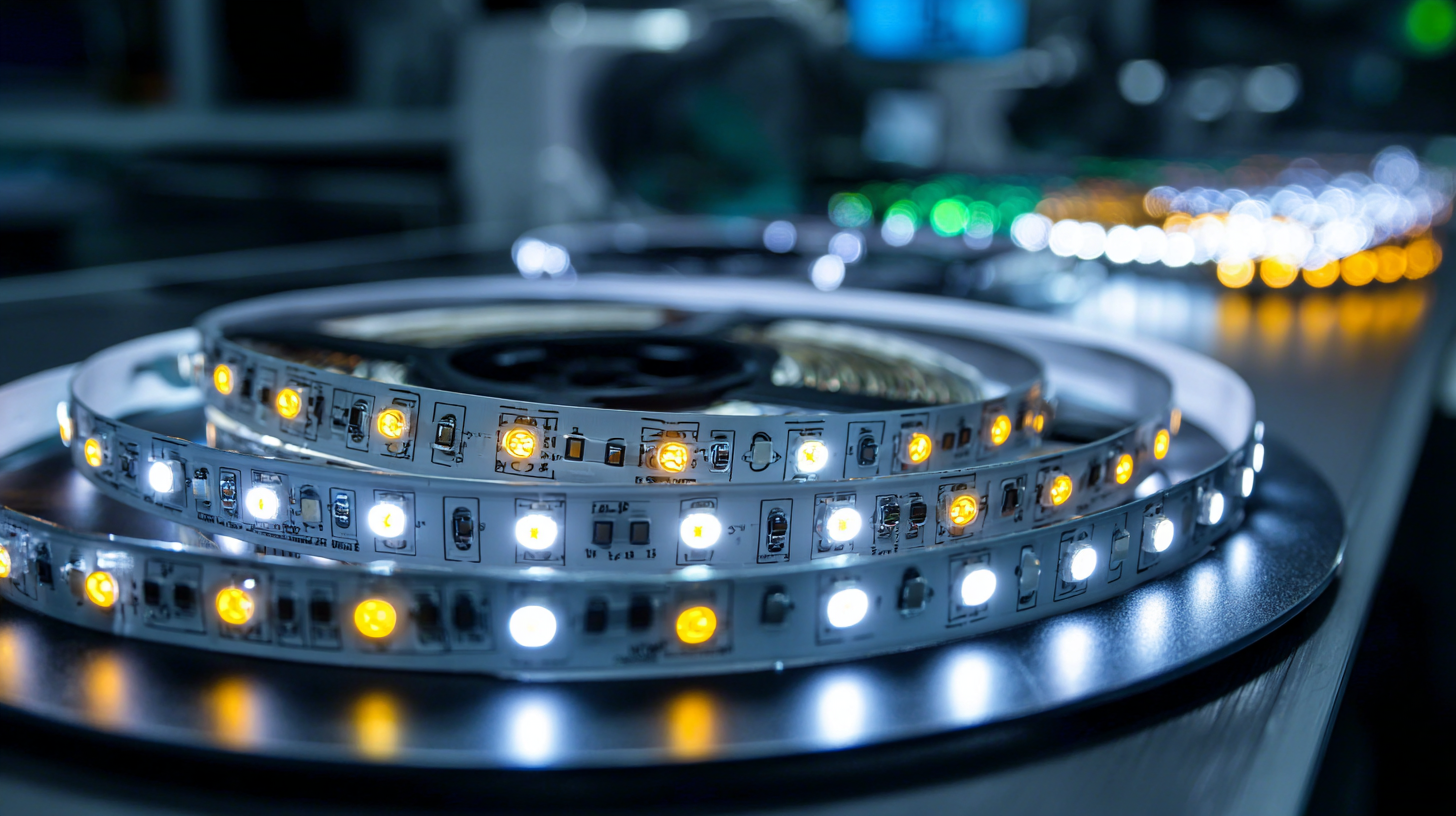
When choosing spare parts, consider the specifications and compatibility with your existing LED setup. Look for components that meet industry standards and have verified performance metrics. For instance, a high-quality driver can enhance an LED's performance by providing consistent power while maintaining optimal thermal management. Additionally, pay attention to the materials used, as durable and thermally efficient heat sinks can prevent overheating, thereby prolonging the lifespan of the LEDs. Understanding these basic concepts of LED technology will empower you to make informed decisions for superior lighting quality and longevity.
Key Factors to Consider When Choosing LED Spare Parts for Performance
When selecting LED spare parts for optimal performance, several key factors must be considered. First, it is essential to evaluate the compatibility of the spare parts with your existing LED fixtures. This includes checking specifications like wattage, voltage, and dimensions. Choosing parts that fit seamlessly with your current setup ensures that the performance of your LED system remains consistent and efficient.
Another crucial consideration is the quality of the components. Opting for reputable brands that comply with international standards can greatly enhance the longevity and reliability of your LED lighting. Look for features such as heat resistance and energy efficiency ratings, which play a vital role in maintaining performance over time. Additionally, examining customer reviews and expert recommendations can provide valuable insights into the durability and functionality of the spare parts you choose. By focusing on these factors, you can significantly improve the performance and lifespan of your LED lighting systems.
2025 Guide: How to Choose Quality LED Spare Parts for Optimal Performance
This chart illustrates the key factors to consider when choosing LED spare parts for optimal performance, comparing the importance of various factors such as Brightness, Energy Efficiency, Lifespan, and Heat Dissipation.
Evaluating Manufacturer Reputation and Product Quality for LEDs
When selecting quality LED spare parts, the reputation of the manufacturer plays a crucial role in ensuring optimal performance. A manufacturer with a solid track record in the LED industry typically demonstrates reliability and consistency in product quality. Investigate their history, customer testimonials, and any industry certifications that highlight adherence to international standards. A well-established brand often invests in research and development, leading to innovative solutions and enhanced efficiency in their LED products.
In addition to reputation, evaluating product quality is essential. Look for components that have undergone rigorous testing and inspection processes. High-performance LEDs often come with detailed specifications, including lumen output, color rendering index (CRI), and operational lifespan. By examining these metrics, you can gauge whether the spare parts will meet your specific needs and maintain performance over time. Opting for trusted manufacturers who prioritize quality can significantly impact the longevity and efficiency of your LED systems.
Compatibility and Specifications: Ensuring Optimal Fit for Your LED Systems
When selecting LED spare parts, compatibility and specifications are the cornerstone for ensuring that your lighting systems function at their best. Understanding the technical requirements of your existing setup helps in identifying the right components. Pay attention to key specifications such as voltage, wattage, and connector types. Additionally, designs in LED technology can vary significantly between manufacturers, so matching these specifications is essential to avoid performance issues.
**Tip:** Always check the manufacturer's datasheet for detailed specifications on both your current LED system and the spare parts you intend to purchase. This can prevent costly mistakes and compatibility issues that may arise from mismatched components.
Make sure to consider the dimming capabilities and thermal management specifications of the spare parts as well. Poor compatibility can lead to overheating, reduced efficiency, or even system failure. Thus, it’s crucial to select parts that not only fit but complement the performance characteristics of your original LED systems.
**Tip:** Look for parts that come with a warranty or guarantee from reputable manufacturers. This can provide additional assurance of quality and compatibility, further optimizing your LED system's performance.
2025 Guide: How to Choose Quality LED Spare Parts for Optimal Performance - Compatibility and Specifications: Ensuring Optimal Fit for Your LED Systems
| Part Type |
Specifications |
Compatibility |
Best Use Case |
| LED Driver |
Input: 100-240V AC, Output: 12V DC, 60W |
Compatible with 12V LED strips |
Indoor lighting applications |
| LED Strip |
Length: 5m, Voltage: 12V, 60 LEDs/m |
Works with any standard 12V power supply |
Accent lighting or backlighting |
| LED Panel |
Size: 600x600mm, Power: 40W, Lumens: 4000 |
Compatible with standard ceiling fixture sizes |
Office and commercial lighting |
| LED Replacement Bulb |
Wattage: 10W, Base: E27, Lumens: 800 |
Fits standard E27 sockets |
Home lighting fixtures |
| LED Flood Light |
Wattage: 50W, Lumens: 5000, IP65 rated |
Ideal for outdoor fixtures and settings |
Security and landscape lighting |
Tips for Sourcing LED Spare Parts from Reliable Suppliers and Distributors
When sourcing LED spare parts, it's crucial to prioritize reliability to ensure optimal performance. First, look for suppliers with a proven track record in the industry. Established distributors often have stringent quality control measures in place, guaranteeing that their products meet necessary safety and performance standards. Checking customer reviews and seeking recommendations can also provide insights into the supplier's reliability and the quality of their products.
Additionally, consider the certifications and warranties offered by the suppliers. Quality LED spare parts should come with appropriate certifications, such as CE, RoHS, or UL markings, indicating compliance with safety and environmental regulations. Warranties can also be a good indicator of quality; suppliers who stand behind their products are more likely to provide durable and reliable components. Make sure to ask questions about the sourcing process and the manufacturing facilities to ensure transparency and confidence in your purchasing decisions.