What is Glass Tube and How to Source It Globally?
In the evolving landscape of materials science, the Glass Tube industry plays a pivotal role. Renowned expert Dr. Sarah Jenkins, a leading figure in glass manufacturing technology, emphasizes, “The versatility of Glass Tubes opens new doors for innovation.” Sourcing Glass Tubes globally requires a strategic approach. Importantly, quality and reliability are paramount.
As organizations seek to harness the potential of Glass Tubes, they face challenges. The expanding market demands precision engineering and a keen eye for detail. By understanding supply chains and diverse manufacturers, businesses can find reliable sources. However, it’s crucial to reflect on the importance of quality assurance in these processes. Subpar materials can lead to significant failures.
Navigating this market is not without complexities. Differences in production standards and specifications across regions can be daunting. Therefore, collaborating with trusted suppliers is essential. With the right partners, businesses can leverage the advantages of high-quality Glass Tubes, ensuring both durability and performance. Balancing cost with quality remains a critical reflection point for industry leaders.

What is Glass Tube?
Glass tubes are versatile and essential components used in various industries. They are often crafted from high-quality silica glass or borosilicate glass, known for their durability and resistance to thermal shock. These tubes can serve multiple purposes, such as holding liquids or gases, making them popular in laboratories and medical applications.
When sourcing glass tubes globally, consider the manufacturing standards and certifications. Not all glass tubes are made equal. Look for suppliers that prioritize quality and adhere to international standards. Researching different manufacturers can reveal various options, but trust is crucial. Inspect reviews and seek testimonials from previous clients.
Tips: Always request samples before placing large orders. This allows you to assess the quality firsthand. Additionally, consider shipping logistics to ensure timely delivery. Pay attention to the potential for damage during transit, as glass is fragile. Balancing cost and quality will lead to better procurement decisions.
Types of Glass Tubes and Their Applications
Glass tubes come in various types, each serving specific applications across different industries. Borosilicate glass tubes are popular in laboratories for their thermal resistance. These tubes can withstand high temperatures, making them ideal for chemical experiments. According to a report by Research and Markets, the global borosilicate glass market is projected to grow by 5.3% annually, highlighting increased demand in pharmaceuticals and cannabis industries.
Another common type is quartz glass tubes, known for their high purity and low thermal expansion. These tubes find extensive use in optical and semiconductor industries. Their ability to transmit UV light makes them essential for various applications. Data from Grand View Research indicates that the semiconductor segment alone will contribute immensely to the glass tube market, with orders rising by 6.4% yearly.
While sourcing glass tubes globally, it’s essential to consider local regulations and quality standards. Not all manufacturers adhere to the same quality benchmarks, leading to variability in product performance. This inconsistency can affect the final application, especially in critical fields like healthcare. Buyers should perform due diligence before finalizing their suppliers to ensure reliability and quality compliance.
Key Properties and Benefits of Glass Tubes
Glass tubes are essential in various industries due to their unique properties. They offer remarkable chemical resistance, making them ideal for laboratory settings. According to the International Journal of Glass Science, glass tubes can withstand high temperatures and harsh chemicals that other materials cannot. Their versatility allows for use in everything from medical devices to electronics.
Another significant benefit is their transparency. Glass tubes provide excellent visibility, which is crucial in scientific and industrial applications. A report by the Glass Packaging Institute highlighted that 84% of consumers prefer glass packaging due to its inherent purity and recyclability. However, sourcing glass tubes globally can be challenging. Quality control may vary significantly between manufacturers. Industries should conduct thorough inspections and tests before procurement.
The weight of glass tubes can also be a drawback. Transporting them can be costly, especially for large-scale projects. Fractures during shipping can lead to increased waste. Some manufacturers are exploring alternatives to traditional glass, yet many still trust its reliability. While glass tubes present clear advantages, evaluating both benefits and limitations is vital for informed decision-making.
Global Sourcing Strategies for Glass Tubes
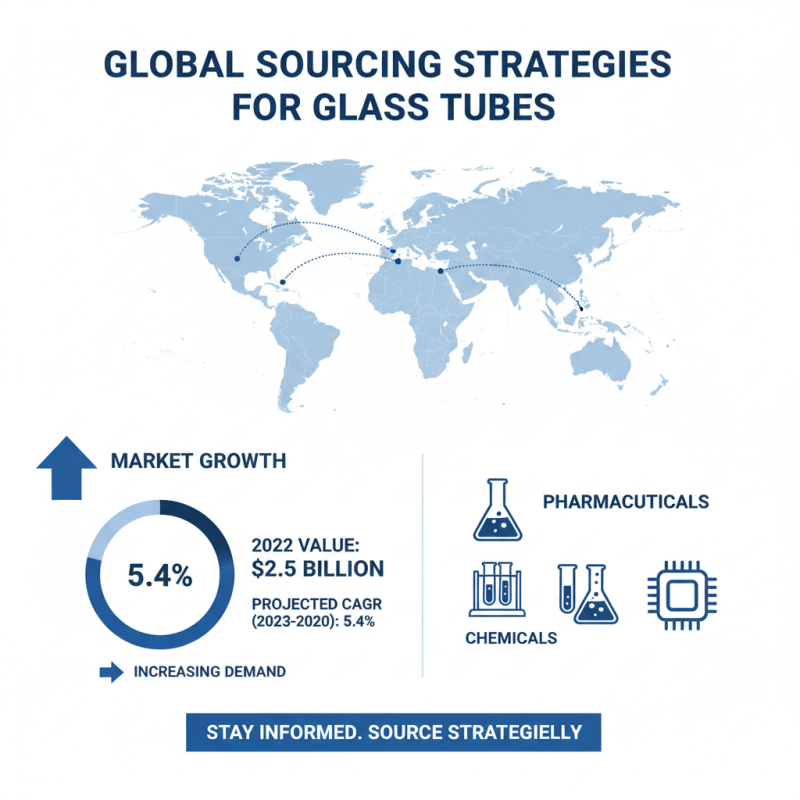
When sourcing glass tubes globally, consider market trends revealed by industry reports. The global glass tubing market was valued at approximately $2.5 billion in 2022 and is projected to grow at a compound annual growth rate (CAGR) of 5.4% from 2023 to 2030. This growth hints at increasing demand across various sectors, such as pharmaceuticals, chemicals, and electronics. Industry players must stay informed about these trends to make strategic sourcing decisions.
The sourcing of glass tubes involves navigating diverse supply chains. Countries like China, Germany, and the United States remain key suppliers. However, challenges such as tariffs and production capacity fluctuations can impact availability. A study by Market Research Future indicated that 45% of companies reported issues with lead times in their glass tube procurement. Effective sourcing strategies must include direct communication with suppliers and flexibility to adapt to changing conditions.
To ensure quality, certifications and compliance with industry standards are vital. Many manufacturers fail to meet these requirements, risking product integrity. Conducting audits and establishing clear quality metrics are essential steps. Reflections from industry practitioners emphasize the need for building strong relationships with suppliers. The right partnerships can lead to better pricing and reliability in delivery schedules. Engage with experts in the field who can provide insights tailored to your specific needs.
Considerations for Quality and Compliance in Glass Tube Sourcing
When sourcing glass tubes globally, it is crucial to consider quality and compliance. Quality control begins with understanding the material specifications.
Different applications require different grades of glass. Manufacturers should provide detailed certifications that indicate compliance with industry standards. Always verify these certifications to avoid sourcing inferior products.
Compliance with regulations is another critical aspect. Different countries have unique safety and environmental regulations. Engaging with suppliers who understand these laws is essential. Regular audits can help ensure ongoing compliance. Sometimes, non-compliance issues arise from miscommunication. Clear documentation and transparency with the supplier can mitigate these risks.
Building long-term relationships with reliable suppliers is valuable. These relationships can lead to better pricing, improved quality, and faster turnaround times. However, it is wise to remain vigilant. Frequent evaluations of supplier performance can highlight areas needing improvement. Keep an open line of communication. This not only fosters trust but also helps address potential challenges proactively.