Essential Lamp Socket Tips for Safe and Effective Use?
Lamp sockets play a crucial role in our daily lighting needs. According to a report by the Lighting Research Center, over 70% of lighting malfunctions stem from improper lamp socket use. This highlights the importance of understanding how to handle these components safely and effectively.
Expert David Lang, a renowned figure in the lamp socket industry, once stated, "The socket is often overlooked, yet it is the heart of any lighting fixture." This emphasizes that neglecting lamp socket maintenance can lead to significant issues, from flickering lights to potential fire hazards. Each socket requires careful installation and handling, which many users overlook.
Understanding the intricacies of lamp sockets can reduce hazards significantly. However, some common habits may lead to accidents. For example, using the wrong wattage can create excessive heat, posing risks. Awareness and education are essential to ensure we utilize lamp sockets in the best possible manner. Reflecting on our practices can lead to safer lighting solutions and prevent potential pitfalls.
Understanding Different Types of Lamp Sockets for Home Use
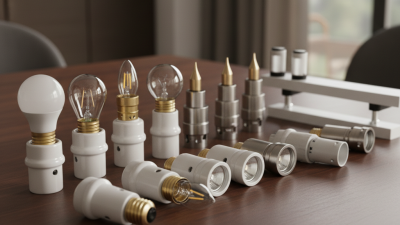
When choosing lamp sockets for your home, understanding the different types is essential. There are several kinds commonly used. The standard medium base socket is the most recognizable, fitting a wide range of bulbs. Decorative sockets, often seen in chandeliers, add elegance. These sockets have unique designs but can be tricky to install.
Safety must be a priority. Some sockets are rated for higher wattage, while others are not. Always check the specifications before use. Overloading a socket can lead to overheating. It’s a simple mistake that could have serious consequences. Use sockets that match your lighting needs.
Maintaining sockets is equally important. Dust can accumulate in sockets over time, affecting electrical flow. Clean them regularly to ensure longevity. If you notice any damage, replace the socket promptly. Don't underestimate how a small issue can lead to bigger problems. Investing time in understanding and maintaining your lamp sockets can make a significant difference in your home’s safety and ambiance.
Essential Lamp Socket Tips for Safe and Effective Use
| Socket Type |
Voltage Rating |
Common Uses |
Safety Tips |
| E26/E27 |
120V / 240V |
Standard household bulbs |
Ensure the correct wattage to prevent overheating. |
| GU10 |
230V |
Spotlight fixtures |
Use proper voltage bulbs to avoid damage. |
| B22 |
240V |
Lamps in the UK and other regions |
Check for secure fitting to avoid electrical shock. |
| E14 |
240V |
Chandeliers and decorative fixtures |
Avoid exceeding maximum wattage for safety. |
| R7s |
230V |
Floodlights and wall lamps |
Ensure proper ventilation to prevent overheating. |
Safety Precautions When Handling Lamp Sockets and Bulbs
When handling lamp sockets and bulbs, safety should always be your top priority. According to the National Electrical Code (NEC), improper installation of lamp sockets can lead to electrical hazards. Reports show that over 20% of electrical fires are caused by faulty wiring and sockets. These dangerous situations can be avoided with proper precautions.
Always ensure the power is off before changing a bulb. Use gloves to prevent oil from your skin touching the bulb. This residue can lead to overheating and significantly reduce the bulb's lifespan. The United States Consumer Product Safety Commission (CPSC) highlights that over 300 injuries related to lamp sockets have been reported annually. These incidents often occur during careless handling. Properly inspect the socket for signs of wear or damage. If the socket feels loose or appears charred, it needs immediate replacement. Ignoring these red flags is a critical error that can lead to hazardous situations.
Regular maintenance is crucial. Dust and debris can accumulate, posing a risk of electric shocks. Ensure your workspace is dry, as moisture can create a severe hazard. A study by the Electrical Safety Foundation International (ESFI) states that improper maintenance increases the risk of electrocution by approximately 50%. Always prioritize your safety and that of others by staying vigilant and informed about the risks associated with lamp sockets and bulbs.
Steps to Properly Install a Lamp Socket
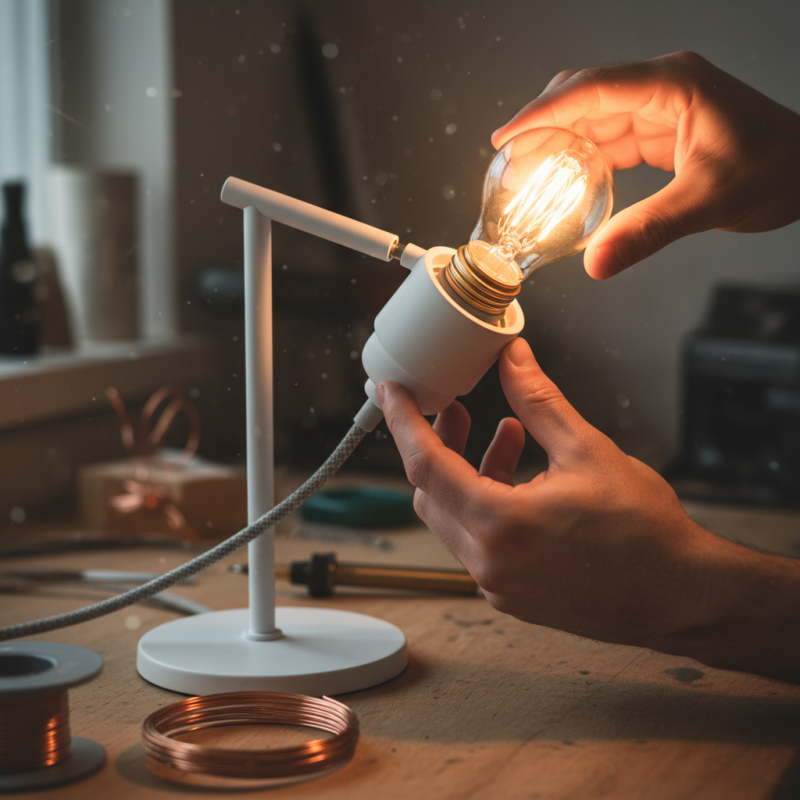
Installing a lamp socket can be straightforward, but safety is crucial. Always unplug the lamp before starting any installation. This simple step helps you avoid electrical shocks. Make sure your workspace is clear and well-lit. Gathering your tools beforehand will save time.
When you begin, carefully remove the old socket. Take note of how the wires are connected. Match the new socket's connections to the old one. If the wires are frayed or damaged, replace them to avoid future issues. Tight connections are essential, but don’t over-tighten.
A couple of tips can enhance safety and effectiveness. Always use a socket rated for the bulb you plan to use. This prevents overheating and potential fires. Additionally, consider using a multi-meter to check for proper voltage before installation. Finally, don't rush. If something feels off, take a moment to reassess. Your safety is worth the extra time.
Essential Lamp Socket Usage Analysis
Troubleshooting Common Issues with Lamp Sockets
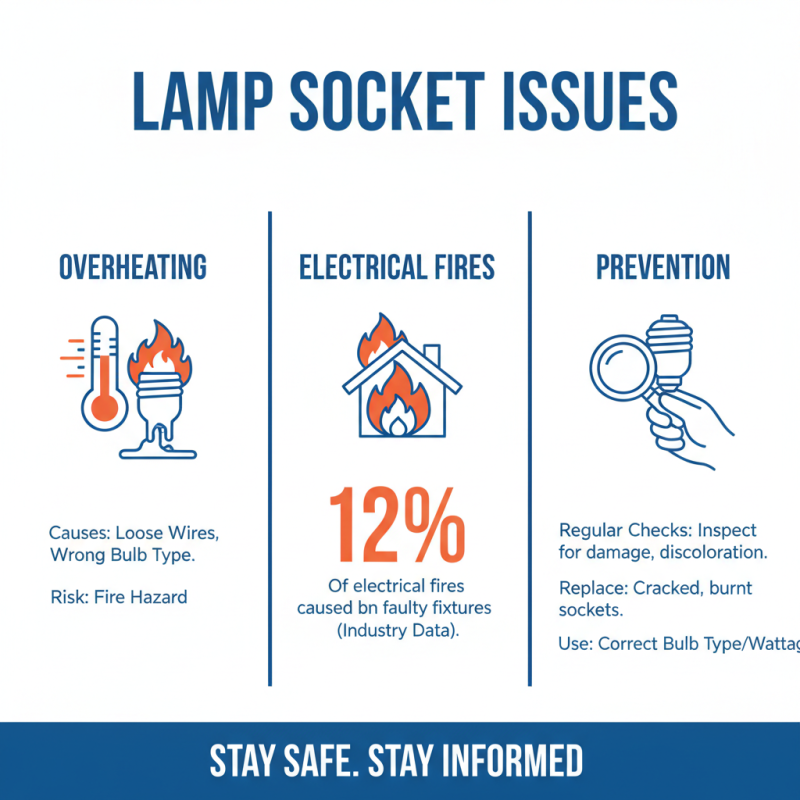
When it comes to lamp sockets, some common issues can arise. Over time, sockets may overheat, leading to potential hazards. According to industry data, around 12% of electrical fires are caused by faulty fixtures. Regular checks are crucial for safety.
One common problem is flickering lights. This can happen due to loose connections or a failing bulb. Ensure the bulb is securely fastened. If this issue persists, it might be time to inspect the socket. Damage might not be visible, so look closely for cracks.
Another frequent issue is the smell of burning plastic. This indicates overheating and could signal a failing socket. If you notice this smell, unplug the lamp immediately. Replace the socket or consult a professional for repairs.
**Tips:** Always use the correct wattage bulb. Exceeding the limit can cause overheating. Also, keep the socket clean. Dust buildup can lead to poor connections. Regular maintenance helps ensure safety.
Maintaining and Cleaning Lamp Sockets for Longevity
Maintaining and cleaning lamp sockets is essential for their longevity. Over time, dust and grime accumulate, which can lead to poor connections. Use a soft cloth or a small brush to gently remove debris. It’s best to unplug the lamp before cleaning. This simple step prevents electrical shocks.
Inspect the socket regularly for any signs of wear. Look for discoloration or corrosion. These issues can affect performance and safety. If you notice something unusual, consider replacing the socket. Sometimes, the connections loosen over time. A tight fit helps ensure a safe operation.
After cleaning, ensure the light bulb fits snugly in the socket. A loose bulb can flicker or cause heat buildup. Use the right bulb type to match your socket's specifications. Oversized or incompatible bulbs can be problematic. Trust your instincts and act on any odd sounds or smells. These signs often require immediate attention.