Why Choosing the Right Lamp Material Is Crucial for Your Home Decor
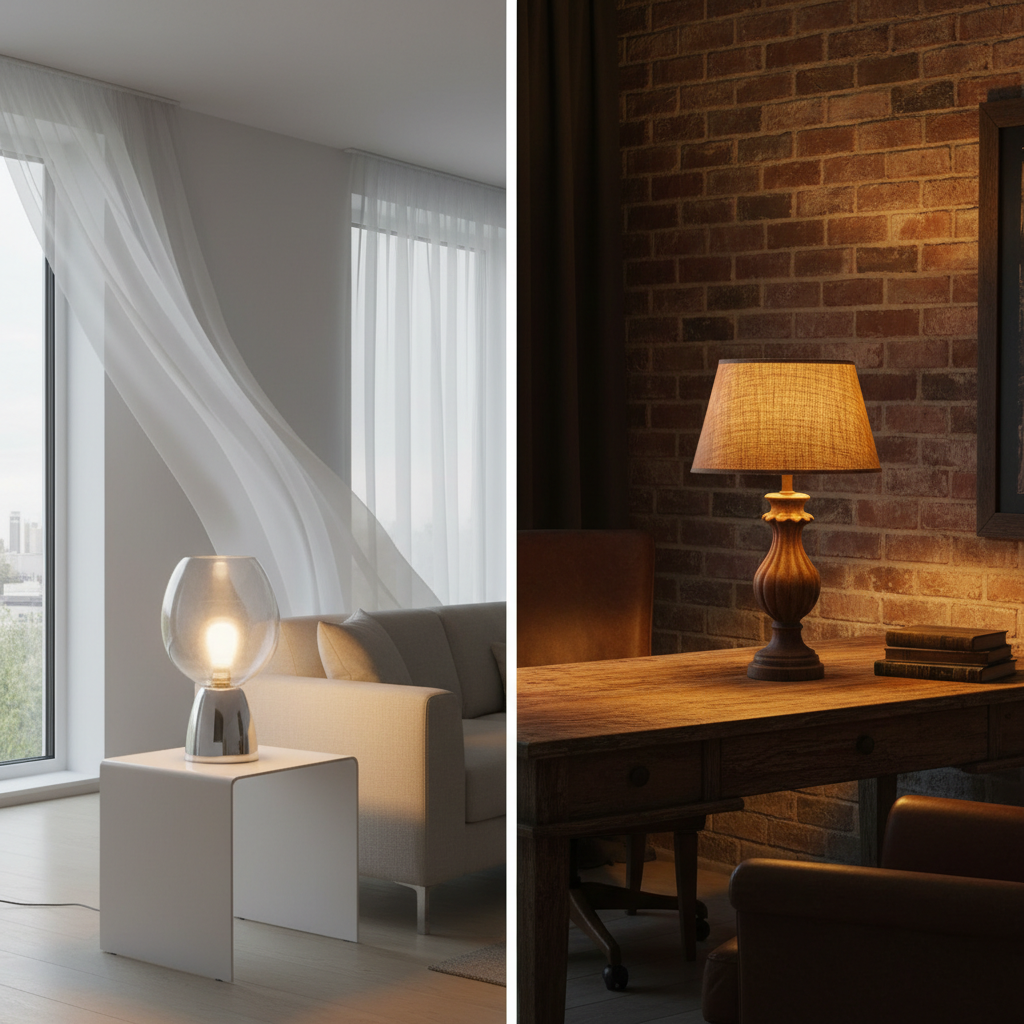
When it comes to home decor, the details matter, and one often overlooked aspect is the choice of lamp material. According to a 2022 report by the Home Lighting Association, nearly 70% of homeowners believe that lighting significantly impacts the ambiance of their living spaces. Selecting the right lamp material not only affects the aesthetic appeal but also plays a crucial role in functional aspects such as light diffusion, heat management, and durability. For instance, lamps made from natural materials like wood and metal offer unique textures and warmth, while glass and acrylic can create a modern and sleek look.
Moreover, a study published in the Journal of Interior Design indicates that the right lamp material can enhance the perceived value of a space, with 60% of consumers willing to pay more for unique and high-quality lighting options. When designing a room, understanding how different lamp materials interact with other decor elements is essential. Different materials can serve as focal points or subtle complements, influencing the overall design narrative. As style trends evolve, ensuring that your lamp materials align with your decor vision is vital for achieving a cohesive and inviting environment.
Understanding Different Lamp Materials and Their Aesthetic Impact
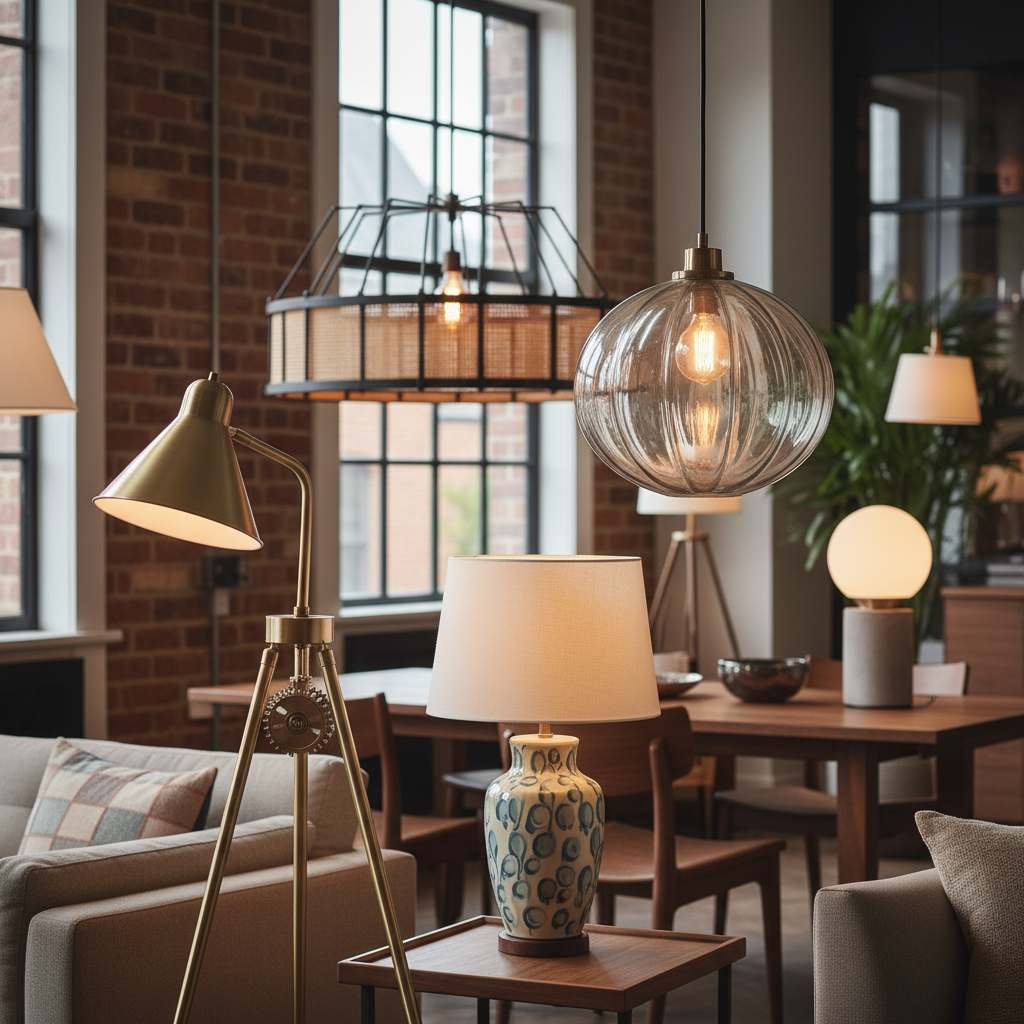
When selecting lamp materials for home decor, understanding their aesthetic impact is essential. Different materials can evoke various emotions and create distinct atmospheres. For instance, metal lamps often impart a modern and industrial feel, while ceramic or glass fixtures tend to offer a more classic and refined aesthetic.
According to recent trends in the lighting industry, consumers are increasingly gravitating towards the integration of materials that reflect both residential comfort and commercial sophistication. This shift highlights the importance of selecting lamp materials that align not only with individual taste but also with broader design movements.
The choice of lamp materials also plays a significant role in enhancing the experience of users. Research indicates that aesthetics affect user engagement and satisfaction, suggesting that visually appealing designs may lead to higher functionality. This is particularly relevant in spaces like maternity care facilities, where thoughtful lighting can influence mood and comfort.
Additionally, as daylight is recognized as a vital component in architectural design, lamps designed to complement or mimic natural light can profoundly affect the ambiance of a room. By thoughtfully considering the materials used in lamp design, homeowners can create inviting and aesthetically pleasing environments that resonate with their personal style.
Evaluating Durability and Maintenance of Various Lamp Materials
When evaluating lamp materials for home decor, durability and maintenance play crucial roles. For instance, materials such as metal and glass often outperform plastic in terms of lifespan and ease of care. Studies suggest that metal fixtures can last significantly longer than their plastic counterparts, which commonly degrade over time due to exposure to heat and light. The durability of a lamp not only influences its lifespan but also impacts the overall aesthetic and safety of a home environment.
Moreover, maintenance requirements vary significantly with different materials. For instance, while glass lamps are visually appealing and generally easy to clean, they can be fragile and require careful handling. Conversely, wooden lamps may need periodic polishing to maintain their finish, although they provide a warm and inviting atmosphere. Recent evaluations in the home goods sector reveal that selecting the right material can reduce upkeep costs by as much as 30% over time, highlighting the importance of making informed choices. Understanding the balance between aesthetic appeal and practical longevity is essential for creating a functional and stylish living space.
Exploring the Role of Lamp Materials in Home Lighting Quality
The choice of lamp materials significantly influences the quality of lighting in your home, impacting not only the ambiance but also the functionality of the space. Materials such as glass, metal, and fabric are commonly used in lamp designs, each offering distinct properties that affect light diffusion and intensity. For instance, glass lamps can create a sense of elegance and clarity, dispersing light evenly throughout a room without harsh shadows. In contrast, fabric shades tend to soften the light, producing a warm and cozy atmosphere, ideal for living rooms and bedrooms.
Furthermore, the material of a lamp can also affect its durability and maintenance, which in turn impacts the quality of light over time. Metal lamps, while often more robust, may reflect light in a way that creates glare if not positioned correctly. In contrast, ceramic and resin bases can provide a decorative element while ensuring a consistent lighting effect. Therefore, understanding the role of different lamp materials can help homeowners make informed choices, ensuring both aesthetic appeal and optimal lighting quality that complements their interior design.
Impact of Lamp Material on Home Lighting Quality
How Lamp Materials Influence Room Ambiance and Style
The materials chosen for lamps can significantly shape the ambiance of a room, influencing both light quality and aesthetic appeal. For instance, a lamp with a glass shade can create a bright, airy feel, diffusing light in a way that enhances openness and warmth. Alternatively, a wooden lamp exudes a more rustic charm, adding texture and warmth to a space, which can make a room feel inviting and cozy. Each material carries its own characteristics that interact with the light emitted, ultimately affecting how the space is perceived by those who inhabit it.
In addition to the ambiance created by the light, the style of the lamp material plays a crucial role in complementing or contrasting with existing decor. Sleek metal finishes can lend a contemporary touch to modern spaces, while ceramic or fabric lamps may evoke a more traditional or bohemian vibe. Thoughtfully selecting lamp materials allows homeowners not only to illuminate their spaces but also to enhance their personal style, weaving together various elements of design into a harmonious whole. Thus, understanding the influence of lamp materials is essential for curating a cohesive and inviting home atmosphere.
Tips for Matching Lamp Materials with Home Decor Themes
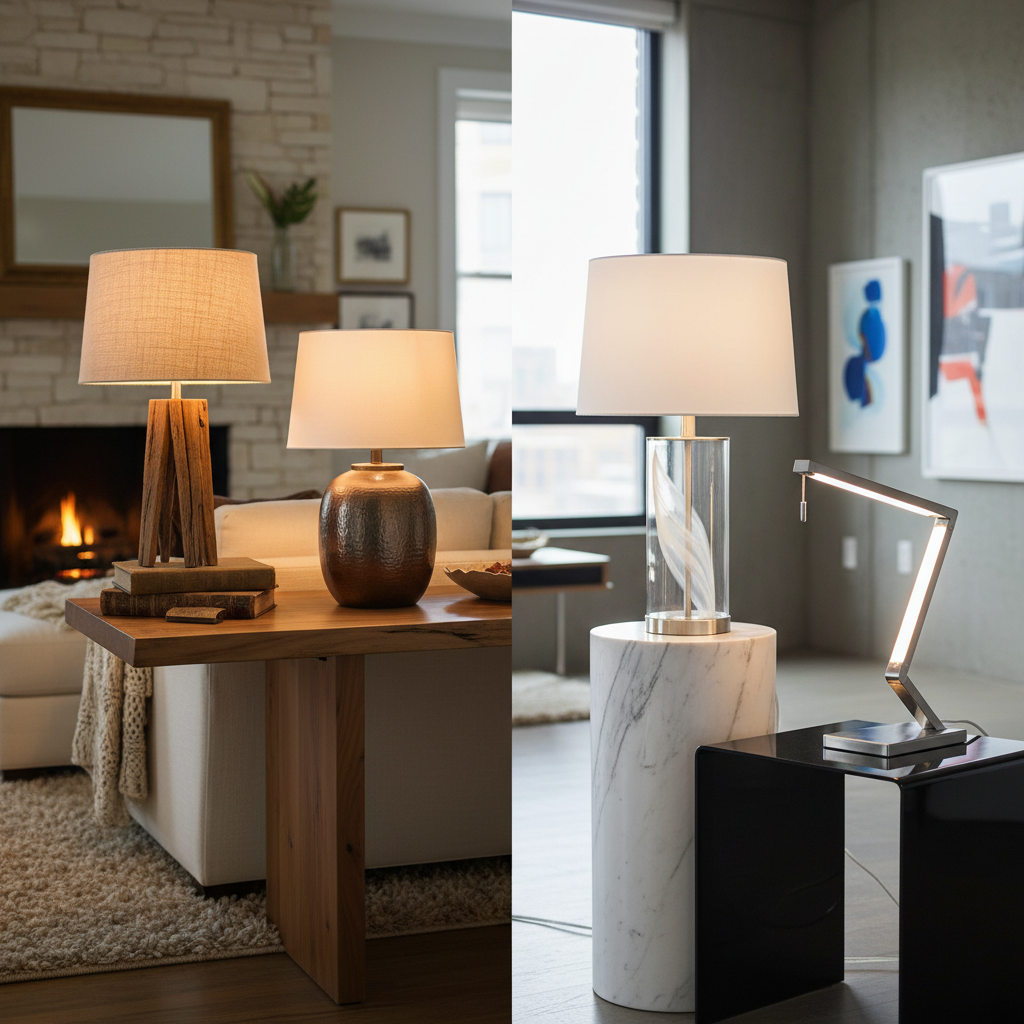
When it comes to home decor, the materials used in lamps play a significant role in establishing the overall theme of a space. For instance, if your decor leans towards a rustic style, opt for lamps made from natural materials such as wood or wrought iron. These materials can enhance the warmth and charm of a space, creating a welcoming environment. Pairing these wooden or metallic lamps with neutral color schemes and textured fabrics can elevate the rustic theme further.
On the other hand, if your home decor is modern or minimalist, look for lamps crafted from sleek materials like glass or chrome. These materials not only reflect light beautifully but also contribute to a clean and sophisticated atmosphere. Consider geometric shapes and bold colors to make a statement that aligns with contemporary design principles. Choosing the right lamp materials not only serves a functional purpose but also enriches the aesthetic appeal of your home, making each room feel cohesive and thoughtfully designed.
Why Choosing the Right Lamp Material Is Crucial for Your Home Decor
| Lamp Material |
Home Decor Theme |
Recommended Color Palette |
Key Benefits |
| Wood |
Rustic |
Earthy tones, greens, and browns |
Brings warmth and a natural aesthetic |
| Metal |
Industrial |
Grays, blacks, and metallics |
Adds a modern and sleek touch |
| Glass |
Contemporary |
Clear, frosted, or tinted |
Creates a light and airy feel |
| Fabric |
Bohemian |
Bright colors, patterns, and textures |
Adds softness and comfort |
| Ceramic |
Traditional |
Warm colors, floral patterns |
Offers classic charm and elegance |