How to Choose the Right Lamp Socket for Your Lighting Needs?
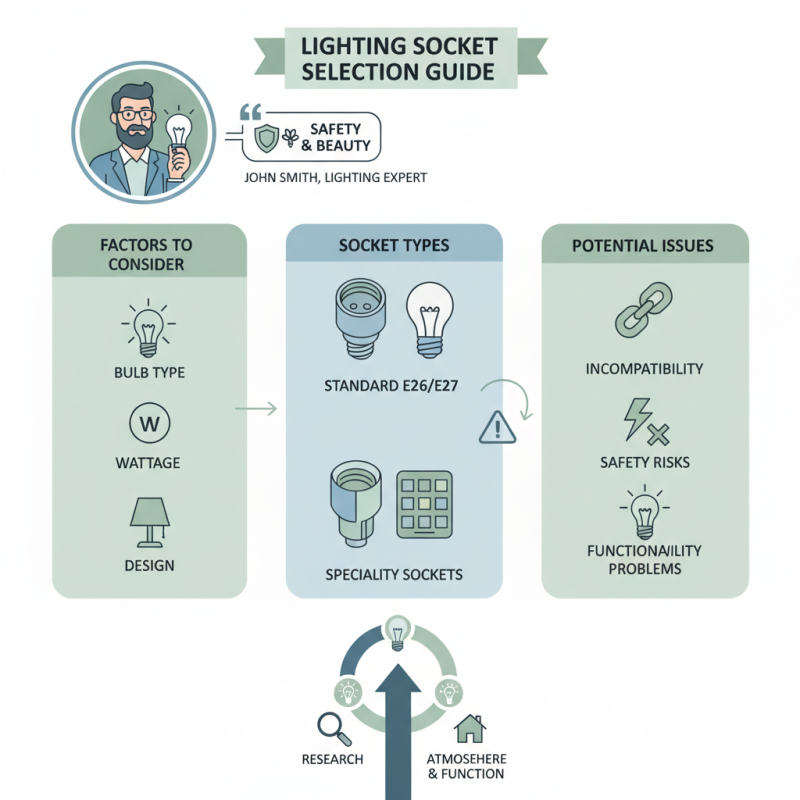
Choosing the right lamp socket can be a daunting task. Experts, like John Smith, a leading authority in lighting technology, emphasize its importance. He once stated, "The right lamp socket ensures safety and enhances the beauty of your space."
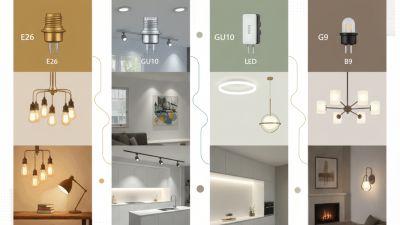
When considering lamp sockets, several factors come into play. The type of bulb, wattage, and design all influence your choice. For example, a standard E26 socket may suit common bulbs, while a specialty socket may be necessary for unique designs. Selecting the wrong one can lead to issues.
One might overlook compatibility or safety ratings when making a choice. It's easy to assume all sockets are the same. But, they vary significantly. Investing time in research is crucial. Lighting is not just about illumination; it’s about atmosphere and functionality.
Understanding Different Types of Lamp Sockets Available in the Market
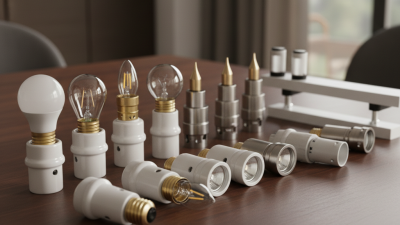
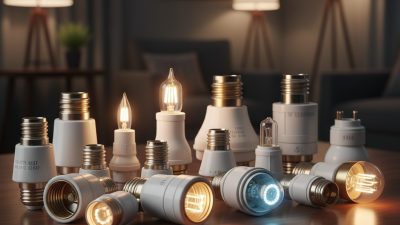
Choosing the right lamp socket is crucial for effective lighting. The market offers various types of lamp sockets. Each type serves a specific purpose based on bulb type, power needs, and installation style.
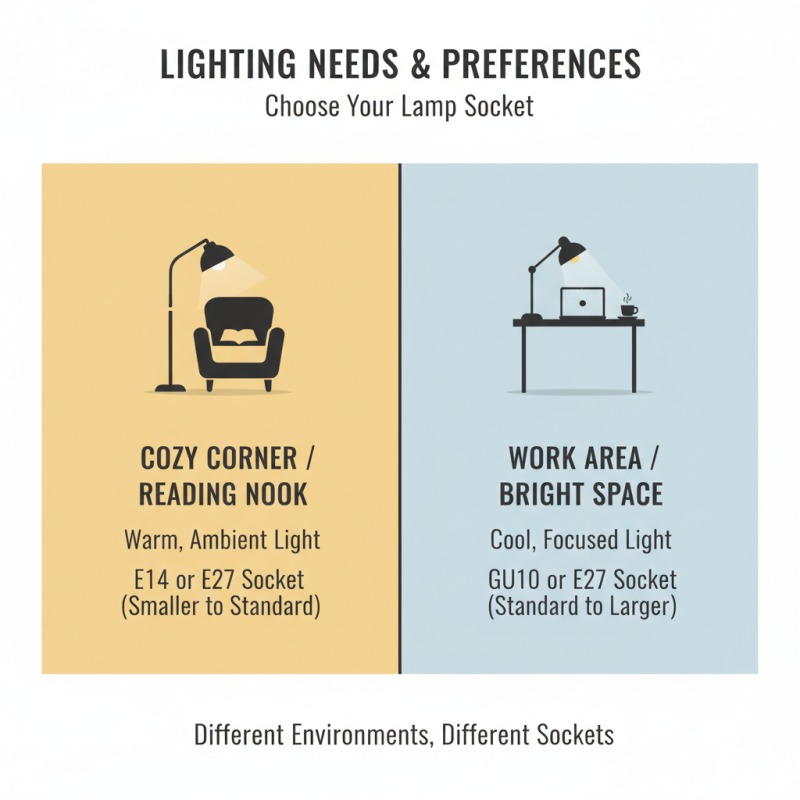
Standard sockets, like the E26 or E27, are common in homes. They fit most LED, incandescent, and CFL bulbs. These sockets are easy to use. However, they may not support higher wattage bulbs effectively. Another option is the GU10 socket. This socket is designed for halogen and LED bulbs, popular in track lighting. It offers a twist-lock mechanism, ensuring a secure connection. Yet, it can be more challenging to find compatible bulbs.
For specialty lighting, consider the MR16 socket. It accommodates smaller halogen or LED bulbs, ideal for accents. These often come with a transformer, complicating installation. Some might overlook the importance of matching socket type to bulb specifications, which can lead to premature burnouts or safety issues. Understanding the differences can make a significant impact on your lighting solutions.
Matching Lamp Sockets to Bulb Types for Optimal Performance
Choosing the right lamp socket is essential for optimal performance. Different types of bulbs require specific sockets to function properly. For instance, standard incandescent bulbs often use an E26 base, while compact fluorescent lights (CFLs) and LEDs might require different fittings. According to the U.S. Department of Energy, switching to LED bulbs can save up to 75% on energy costs. However, this efficiency hinges on using the correct socket.
A mismatch between bulb and socket can lead to reduced efficiency. For example, an A19 LED bulb in a regular E26 socket works well, but placing it in a non-compatible socket might reduce its lifespan. Industry studies indicate that improper socket selection can lead to a 20% increase in energy consumption. This highlights the importance of correctly matching sockets to bulb types.
Sometimes, people overlook simple details. They assume all bulbs will fit all sockets, which is not true. Labeling errors can exist on packaging, leading consumers to make poor choices. It's crucial to double-check the specifications before purchasing. Understanding these nuances can make a significant difference in performance and energy savings.
Considering Installation and Compatibility Factors
When choosing the right lamp socket, installation and compatibility are crucial factors. A recent industry report indicates that improper socket selection can lead to significant inefficiencies. Many users overlook the voltage and wattage specifications, which can result in fixture malfunctions. Always confirm that the socket matches your bulb type. LED bulbs, for instance, may require different sockets than incandescent ones.
Compatibility also extends to the fixture itself. Not all lamp sockets fit every light fixture. Incompatible sockets can lead to safety hazards, including risks of fire. Reports show that nearly 15% of lighting incidents stem from improper socket use. It’s essential to check dimensions and mounting types before making a selection. Furthermore, remember that not all sockets support dimming.
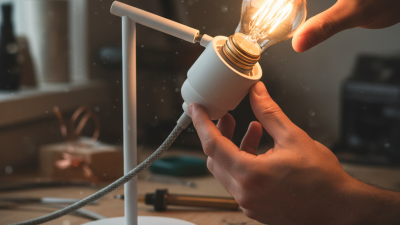
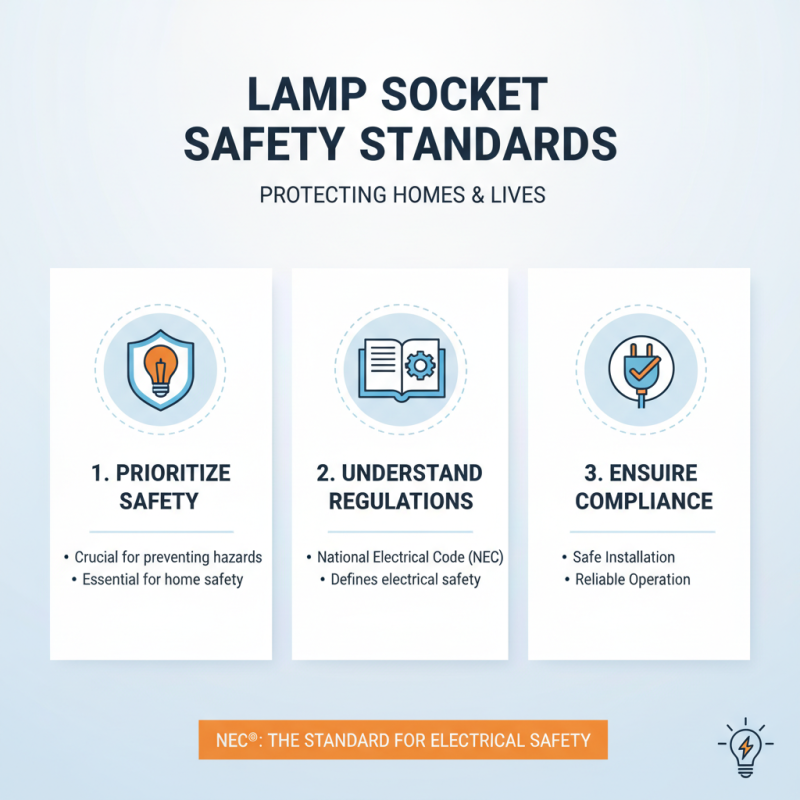
Installation should never be rushed. Take your time to understand the wiring. Clear instructions do not always accompany sockets. Many consumers express confusion over wiring configurations. Using online resources might help, but they can also lead to misinformation. If you're uncertain, consulting with a professional is advisable. Lighting should not only enhance aesthetics; it must ensure safety and efficiency.