How to Choose the Right Glass Shell for Your Products?
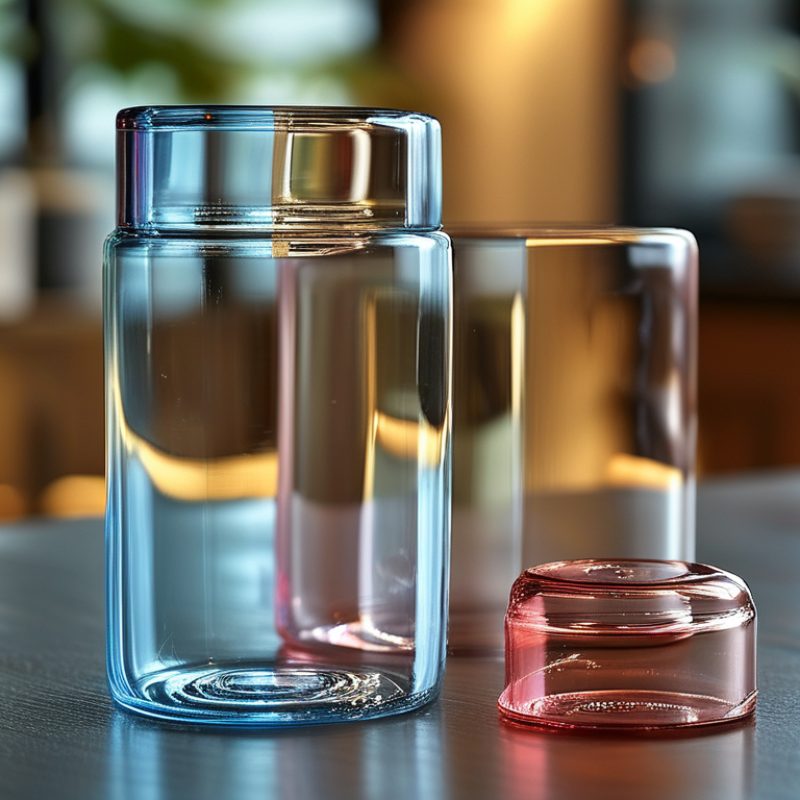
Choosing the right glass shell is crucial for product packaging. A well-selected glass shell enhances product integrity and appeal. It is essential to consider several factors in making this choice.
The type of product will greatly influence your decision. For instance, fragile items may require thicker glass to prevent breakage. Colors and finishes also matter. A clear glass shell may showcase a beautiful product, while colored options can provide unique branding.
Testing different glass shell designs can lead to better results. Customer feedback is invaluable during this process. Keep in mind that quality should never be compromised. A poor choice may damage your product's reputation. Therefore, investing time and resources in choosing the ideal glass shell is a step towards success.
Understanding Different Types of Glass Shell Materials
When selecting a glass shell for your products, understanding the various types of glass materials is crucial. Glass options vary widely, each with unique properties and benefits. Common types include soda-lime glass, borosilicate glass, and tempered glass. Soda-lime glass is widespread due to its cost-effectiveness. However, it may lack the durability needed for more sensitive products.
Borosilicate glass stands out for its thermal resistance. It can handle extreme temperatures, making it ideal for laboratory equipment and kitchenware. On the other hand, tempered glass undergoes a special heating process to enhance strength. It's commonly used for safety applications, such as in shower doors and window panes. Each type presents its pros and cons, which can create confusion when deciding.
Consider the specific needs of your products. A glass shell should offer both functionality and aesthetic appeal. Not all varieties will suit every product type. For instance, while soda-lime glass is economical, it may not withstand high-impact environments. Assess risks before making a final choice. Remember, the right material not only protects your product but also influences consumer perception.
Evaluating Product Requirements for Glass Shells
When selecting a glass shell for your products, understanding specific requirements is crucial. Consider the dimensions and shape of your items. A custom glass shell should fit snugly, offering protection and enhancing aesthetics. Glass thickness matters, as it affects durability and weight. A balance between sturdiness and lightweight design can significantly impact usability.
Evaluate the environmental conditions where the glass will be used. Will it face extreme temperatures or moisture? Choose materials that can withstand these elements. For instance, tempered glass is often recommended for its strength and resistance to thermal shock. Think about how the product will be handled. A fragile shell may lead to frequent breakage, hence cushioning or protective layers may be required.
Reflect on the purpose of the glass shell. Is it purely functional, or does it also serve a decorative role? Knowing this can guide the choice of finish and design. Look at how users will interact with your products. If accessibility is a concern, ensure the shell allows for easy handling. Remember, a good design is often iterative, requiring adjustments based on feedback and practical challenges.
How to Choose the Right Glass Shell for Your Products? - Evaluating Product Requirements for Glass Shells
| Product Type |
Glass Thickness (mm) |
Heat Resistance (°C) |
Impact Resistance |
Transparency (%) |
Coating Options |
| Smartphone Case |
1.0 |
100 |
Moderate |
90 |
Anti-fingerprint, Scratch-resistant |
| Light Fixture |
2.5 |
150 |
High |
95 |
Frosted, UV-resistant |
| Kitchenware |
3.0 |
120 |
High |
92 |
Non-toxic, Durable |
| Decorative Item |
1.5 |
80 |
Low |
85 |
Colored, Patterned |
| Cosmetic Container |
0.8 |
90 |
Moderate |
88 |
Frosted, Recyclable |
Assessing the Benefits and Drawbacks of Glass Shell Options
When selecting a glass shell for your products, it’s crucial to assess the benefits and drawbacks of various options. Glass shells provide a premium aesthetic, enhancing a product's appeal. They can create a sense of luxury and sophistication. However, this allure comes with certain challenges. Glass is heavier than other materials, which can affect shipping and handling costs.
Durability is another concern. While some glass options are tempered for strength, not all are created equal. Fragile glass can shatter easily, leading to potential product loss. Additionally, consider moisture sensitivity. Some products may react poorly if exposed to glass’s cold surface, leading to condensation. Managing temperature shifts is a necessary part of using glass.
In terms of customization, glass offers limited design flexibility compared to plastic or metal. Shapes and colors can be restricted. This rigidity can stifle creativity in product development. Balancing aesthetics with functionality requires careful thought. The right choice of glass should reflect not just your brand, but also meet the practical needs of your consumers.
Exploring Aesthetic and Functional Design Considerations
Choosing the right glass shell for products involves balancing aesthetics and functionality. Glass offers a sleek and sophisticated appearance. It is commonly used in packaging because it can be molded into various shapes and sizes. Reports indicate that consumer preference for glass packaging has risen by 30% over the last five years due to its perceived quality and sustainability.
However, functionality must not be overlooked. Glass is fragile and can break easily. This can lead to product loss and increased costs. Industry studies reveal that 40% of users indicate breakage as a significant concern when choosing glass. To mitigate this, exploring tempered glass options can enhance durability without sacrificing style.
Design considerations also resonate with branding. The right hues and finishes can create emotional connections. A glossy finish may attract certain demographics, while matte textures might appeal to minimalists. Yet, 25% of consumers report difficulty in distinguishing between similar products due to visual clutter. Striking a balance between attractive design and clear messaging is vital to stand out in a crowded market.
Budgeting and Sourcing for Glass Shell Production
When budgeting for glass shell production, understanding your specific needs is essential. The global glass container market is expected to grow at a CAGR of 4.9% through 2027, according to market analysis reports. This growth directly impacts production costs. Proper budgeting begins with a clear picture of material costs, labor, and logistics. Common glass types include soda-lime and borosilicate, with varying prices. For instance, borosilicate glass can be up to 30% more expensive due to its durability and thermal resistance.
Sourcing quality materials is equally vital. Establishing relationships with reliable suppliers can optimize costs. The sourcing decision affects overall production efficiency. A recent survey revealed that over 60% of manufacturers face challenges in finding affordable glass suppliers. Consider local versus international sourcing options. While local sources may reduce shipping costs, international options might offer better bulk pricing. Always balance cost with quality; opting for the cheapest option might lead to defects or delays. Each decision influences your product's integrity.
Glass Shell Production Cost Analysis