What Are the Best Lamp Materials for Global Buyers?
When selecting lamp materials, buyers face diverse options. Understanding these materials is crucial. John Smith, a renowned expert in lighting design, states, "The right lamp material significantly influences style and functionality." This insight emphasizes the importance of informed choices in the lamp market.
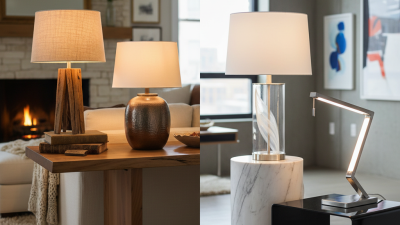
Various lamp materials, such as metal, glass, and ceramic, offer distinct advantages. Each material provides unique aesthetics and durability. Metal lamps, for example, lend a modern touch. Glass, on the other hand, radiates elegance. Yet, some materials may not be suitable for every setting.
Buyers should consider factors like heat retention and maintenance. Not every material is easy to clean or consistent in performance. Reflection on these aspects can lead to better decisions. The world of lamp materials is vast, and navigating it requires careful thoughts and considerations. This process can be overwhelming, but it ultimately leads to better purchases.
Types of Lamp Materials and Their Uses in Global Markets
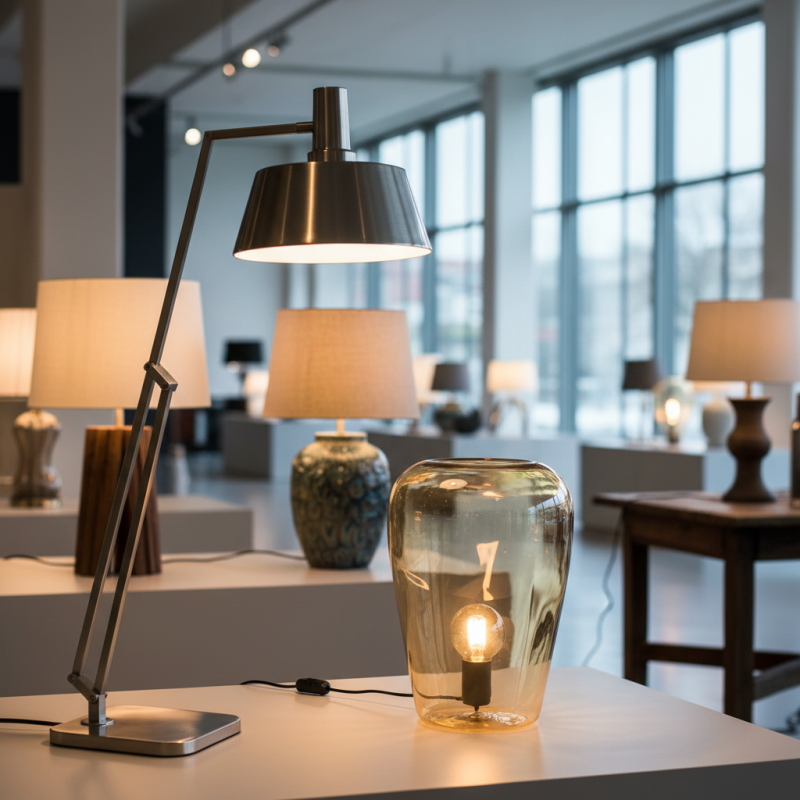
When exploring lamp materials, several types stand out in global markets.
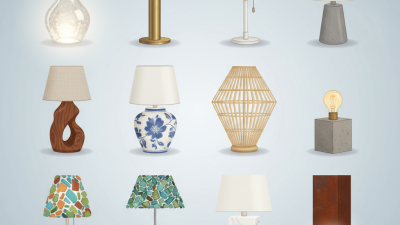
Wood offers warmth and aesthetic appeal. It suits rustic or traditional interiors. However, it can absorb moisture, leading to potential warping over time.
Metal, such as aluminum or brass, provides a sleek and modern look. It's durable and easy to clean, yet can be prone to scratches.
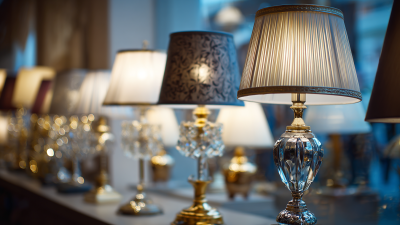
Glass is another popular option. It allows for intricate designs and colorful light diffusion. However, glass lamps can be fragile, requiring cautious handling.
Ceramic lamps add artistic flair, offering varying glazes and patterns. They are sturdy but can be heavy and less versatile in design. Each material has unique pros and cons, making buyer preference crucial.
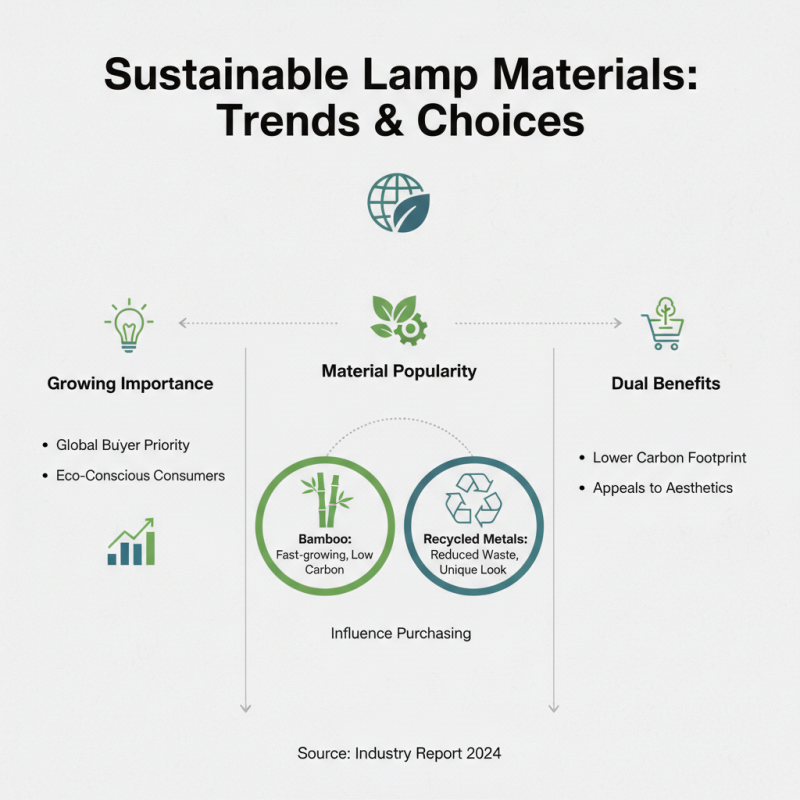
Sustainable materials are gaining popularity. Bamboo and recycled plastics appeal to eco-conscious consumers.
These options reduce environmental impact while maintaining style. Yet, they may not always match the durability of traditional materials.
Understanding these factors aids global buyers in making informed choices.
Comparative Analysis of Durability in Lamp Construction Materials
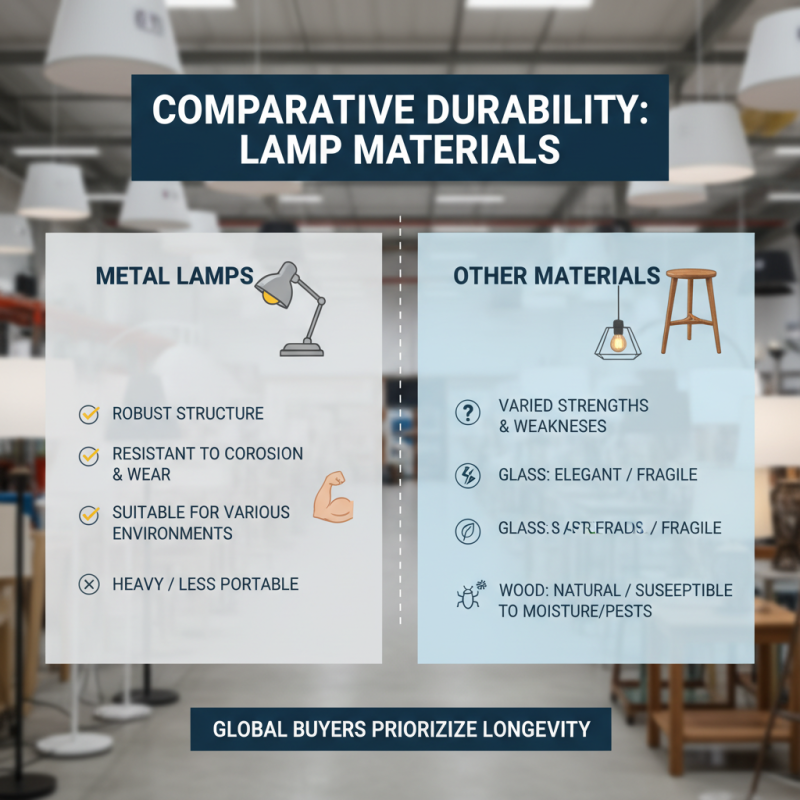
When considering lamp construction materials, durability is a critical factor for global buyers. Different materials exhibit unique strengths and weaknesses. For instance, metal lamps often provide a robust structure. They resist corrosion and wear, making them suitable for various environments. However, they can be heavy, making portability an issue for some users.
On the other hand, glass lamps can offer elegance and sophistication. They are available in countless designs. Yet, glass is fragile and may break easily, which raises concerns about longevity. Plastic is another popular choice. It is lightweight and comes in diverse colors and styles. While it is generally less breakable, it may not withstand extreme temperatures as effectively as metal.
Ultimately, choosing the right material requires careful consideration. It reflects personal taste, intended use, and environment. Buyers should also weigh the trade-offs, as aesthetics and functionality often collide. Understanding these nuances can enhance decision-making. Take time to reflect on the balance between beauty and durability.
Aesthetic Appeal: How Lamp Materials Influence Design Choices
When choosing lamp materials, aesthetic appeal plays a significant role in design decisions. Various materials contribute unique characteristics and vibes to interior spaces. For example, metal lamps often exude a modern and industrial feel, while ceramic options can evoke warmth and coziness. According to a 2023 design survey, 67% of consumers prioritize the material's aesthetic value over functionality.
Glass lamps are highly favored for their versatility. They come in various styles, from sleek and minimalist to colorful and ornate. Statistics show that 54% of consumers opt for glass lamps to enhance ambiance. This choice suggests a clear connection between material and desired atmosphere in room design. However, both metal and glass can fall short in terms of durability in high-traffic areas.
Tips: Remember the surrounding decor when selecting lamp materials. Mixing textures can elevate a space. Don’t shy away from unexpected combinations; an eclectic mix can be visually striking. Additionally, take time to reflect on how your choice impacts the overall design. The right lamp material aligns not only with personal style but also with practicality and longevity.
What Are the Best Lamp Materials for Global Buyers?
Cost-Effectiveness of Various Lamp Materials for Buyers Worldwide
When it comes to lamp materials, cost-effectiveness is crucial for buyers globally. Estimates suggest that the global lighting market will exceed $150 billion by 2026, driven largely by advances in materials and technology. Each material, however, has its strengths and weaknesses that buyers should consider.
Metal lamps, for instance, offer durability and a sleek aesthetic. They are often cost-effective over time due to their longevity. However, initial costs can be high, creating a barrier for some consumers. A 2021 report indicated that metal lamps can reduce replacement frequency by up to 40% compared to plastic alternatives.
On the other hand, glass lamps provide unique designs and better light diffusion. Their fragility and potential for breakage may lead to higher lifetime costs despite attractive design features.
Sustainability is becoming a pressing issue. Materials like bamboo and reclaimed wood are gaining popularity. These options might come with a higher upfront cost but can appeal to eco-conscious consumers. Research shows that eco-friendly products often attract a price premium of 20-30%. Buyers must weigh the initial investment against long-term savings and environmental impact. This consideration is increasingly vital in a market where sustainability is no longer optional.