2026 Best Lamp Holder Types for Global Buyers Guide
As the world evolves, so does the demand for innovative lighting solutions. The lamp holder is a crucial component in this realm. It provides the connection between the light source and the electrical supply. Understanding the various lamp holder types can enhance your lighting design.
In 2026, global buyers face a myriad of choices. Each type of lamp holder serves unique purposes and comes with its own advantages. Some offer easy installation, while others enhance aesthetic appeal. However, selecting the right type can be daunting.
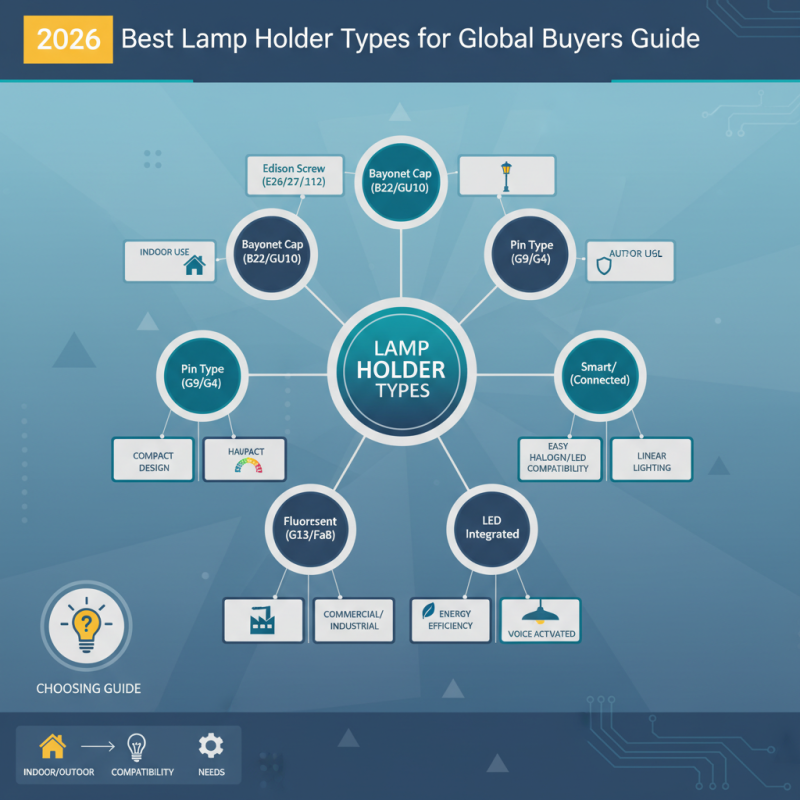
Consider the context in which your lamp holder will be used. Indoor versus outdoor settings greatly influence your choice. Reflect on compatibility with light bulbs and fixtures. Some holders may not fit well with newer bulbs. It’s essential to align your lighting needs with the right lamp holder. This guide seeks to clarify these choices for buyers worldwide.
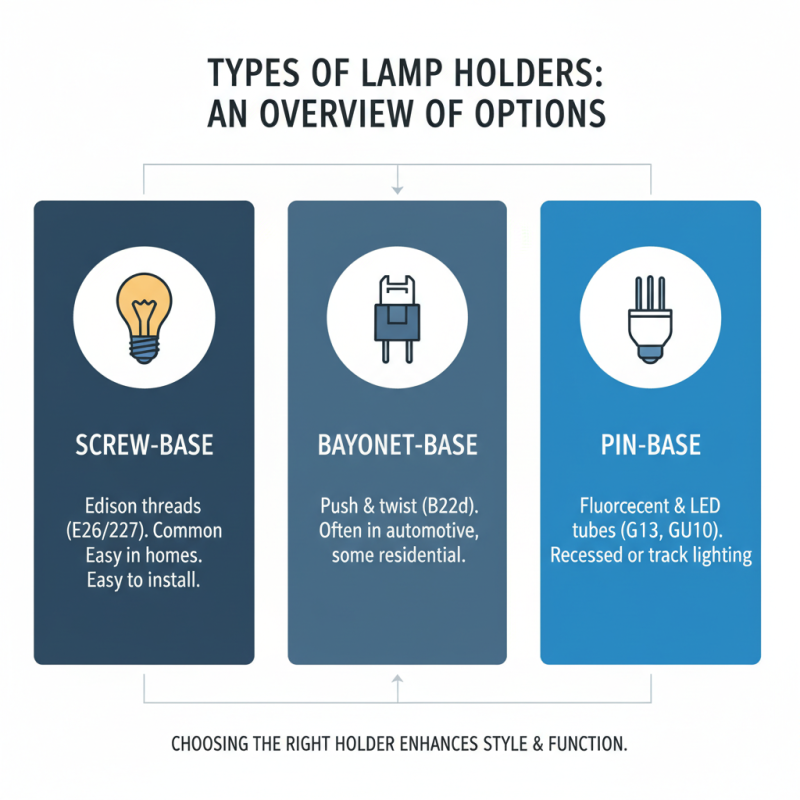
Types of Lamp Holders: An Overview of Options Available
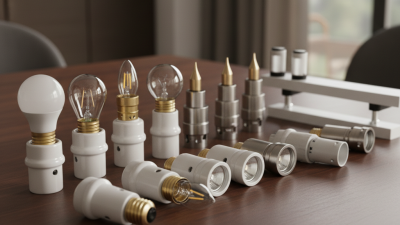
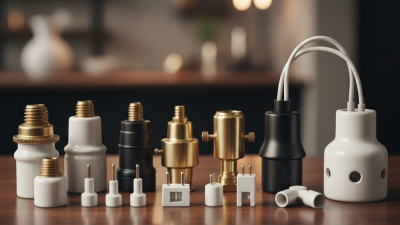
When exploring lamp holder types, variety is key. Each type serves a specific purpose, enhancing both style and functionality. Some common types include screw-base, bayonet, and pin-base holders. Each of these options has unique characteristics that influence their installation and use. For instance, screw-base holders are prevalent in residential lighting, but they may not suit all fixtures.
Another interesting option is the LED-compatible holder. This type has gained popularity due to the energy savings it provides. However, compatibility issues with older fixtures can lead to confusion. Not all lamp holders accommodate every bulb type seamlessly. Buyers should be cautious in their selection, ensuring the holder aligns with their lighting needs.
Consideration of safety is crucial too. Some holders may not meet safety standards, which could pose risks. It's essential to research and choose trusted suppliers to avoid any potential hazards. This intricate landscape of lamp holders requires careful navigation, demanding a balance between aesthetics and safety.
Materials Used in Lamp Holders: Pros and Cons Explored
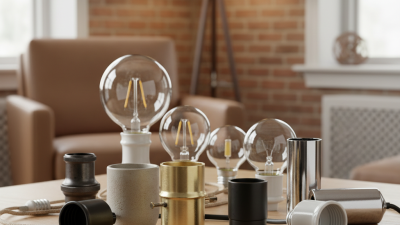
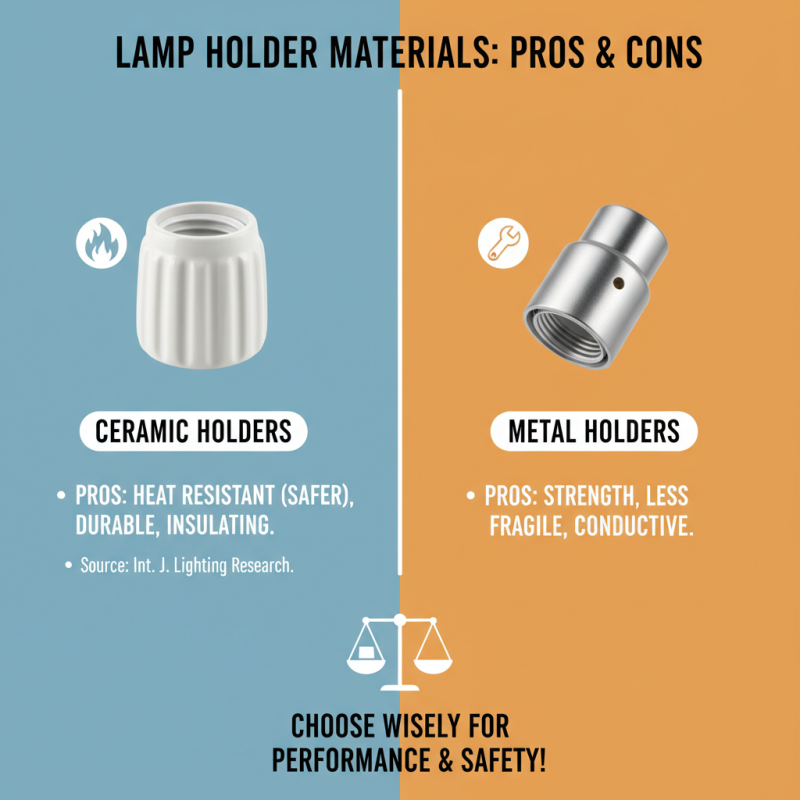
When selecting lamp holders, understanding materials is essential. Each material has distinct pros and cons that impact both performance and safety. For instance, ceramic holders are popular for their heat resistance and durability. Studies, such as one from the International Journal of Lighting Research, indicate that ceramic holders can withstand higher temperatures, leading to safer lighting solutions. Yet, they can be more fragile than metal options.
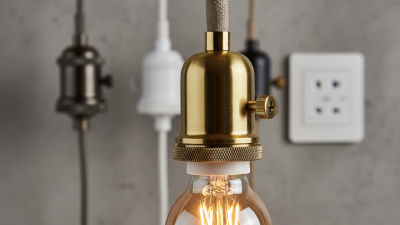
Metal holders, like those made from aluminum or brass, offer great strength and longevity. They are less susceptible to breakage and can support heavier fixtures. However, these materials may corrode over time, especially in humid environments. A recent report from the Electrical Safety Foundation noted that corrosion is a leading cause of electrical failures. This highlights the need for regular inspections and maintenance.
Plastic lamp holders are lightweight and inexpensive, making them appealing to many buyers. They provide good insulation but are prone to cracking under high heat. If a plastic holder becomes brittle, it can lead to safety hazards. Ensuring the right material choice is crucial. While one material may excel in one area, it often falls short in another. Hence, careful consideration is necessary based on specific usage scenarios.
Compatibility Factors: Matching Lamp Holders with Light Bulbs
When choosing lamp holders, compatibility is crucial. Each lamp holder has a specific design tailored to certain light bulb types. For example, standard screw bases fit most LED and incandescent bulbs. Some halogen and CFL bulbs require unique connectors. Misleading product information can lead to compatibility issues, which can cause frustration and replacement costs.
Consider the bulb’s wattage and type. Most lamp holders can handle standard wattages, but some designs may only support low-wattage bulbs. This mismatch can affect both lighting quality and safety. Additionally, the shape and size of the bulb must match the lamp holder’s design. A bulb that fits tightly in its holder ensures safety and efficacy. Gaps or loose fittings could lead to overheating or flickering lights.
The mounting system also matters. Certain specialized lamp holders may not suit every fixture or application. Ensure your choice supports your specific lighting needs. If you find yourself uncertain, consulting with an expert might be helpful. However, be aware that not all advice guarantees success. In lighting, sometimes it's a matter of trial and error to discover the best match for your home or project.
Installation Tips: How to Properly Set Up Your Lamp Holder
When setting up a lamp holder, proper installation is crucial. Start by gathering your materials: a lamp holder, wires, and tools. Ensure you have safety glasses and gloves for protection. A proper plan is essential to prevent errors during installation.
Begin by turning off the power supply to avoid electric shock. Use a voltage tester to confirm the power is off. Once safe, connect the wires to the lamp holder. Match the wire colors according to standard conventions: black or red for live, white or blue for neutral. It's easy to make mistakes at this stage, so double-check your connections.
After securing the wires, mount the lamp holder to the fixture. Ensure it is stable and straight. Sometimes users rush this step, leading to loose fittings. If it feels wobbly, take it apart and fix it. Once secure, re-attach the power and test your installation. It's normal to feel anxious during this process. If something doesn't work, take a moment to troubleshoot. Installation is often a learning experience, and refining your technique is part of getting it right.
Global Trends in Lamp Holder Designs and Innovations
The global lamp holder market is evolving. Innovative designs are shaping the way we think about lighting. Sleek, minimalist styles are gaining popularity. These designs not only serve functional purposes but also enhance aesthetics. Green materials are now more common, promoting sustainability in the lighting industry.
Smart lamp holders are making waves. They allow users to control lighting via apps. This technology is redefining convenience and accessibility. Many buyers seek versatile solutions that integrate with their smart homes. However, the learning curve for such features can be steep for some users.
Trends indicate a rise in customizable options. Customers desire unique designs that reflect personal style. Yet, with so many choices, decision fatigue can easily set in. The focus on bold colors and interesting textures continues to inspire creativity. As trends shift, manufacturers must remain adaptable to meet diverse consumer needs.
2026 Best Lamp Holder Types for Global Buyers Guide - Global Trends in Lamp Holder Designs and Innovations
| Lamp Holder Type |
Material |
Voltage Range |
Design Trends |
Key Innovations |
| Edison Screw (E27) |
Metal, Plastic |
110-240V |
Vintage Look, Minimalistic |
Smart Technology Integration |
| Bayonet Cap (B22) |
Brass, Ceramic |
220-240V |
Curved Shapes, Decorative |
Energy-efficient Designs |
| GU10 |
Plastic, Glass |
220-240V |
Spotlight Designs, Sleek |
LED Compatibility |
| E14 |
Aluminum, Plastic |
110-240V |
Compact Size, Contemporary |
Smart Home Compatibility |
| Integrated LED |
Plastic, Metal |
DC Input |
Futuristic Look, Eco-friendly |
Built-in Sensor Technology |