Top 10 Benefits of LED Lighting for Global Buyers?
LED lighting has transformed the way we illuminate our environments. According to a report by Grand View Research, the global LED lighting market size was valued at over $70 billion in 2022 and is projected to grow significantly. This growth signifies a shift towards more energy-efficient solutions. The benefits of LED lighting extend beyond mere energy savings.
In 2023, the U.S. Department of Energy indicated that LED technology uses up to 75% less energy than traditional incandescent lighting. This efficiency not only reduces electricity bills but also minimizes carbon footprints. Additionally, LEDs have a longer lifespan, lasting up to 25,000 hours. Yet, some consumers remain hesitant about the initial investment.
The advancements in LED technology are compelling. For global buyers, understanding these benefits is crucial. There is a real opportunity to enhance sustainability and reduce costs. However, some industries struggle to transition fully. Lighting technology is evolving, but the journey is not without challenges. Recognizing both the benefits and potential hurdles is essential for informed decision-making.
Top Benefits of LED Lighting in Energy Reduction and Efficiency
LED lighting has transformed the way global buyers approach energy efficiency. According to a report by the International Energy Agency, LED lights consume up to 75% less energy than traditional incandescent bulbs. This significant reduction not only lowers electricity bills but also eases the strain on electrical grids. The efficiency of LED technology means less energy is wasted in the form of heat, making it a smarter choice for consumers.
Tips for using LED lights effectively include proper installation. Ensure fixtures are suitable for LED bulbs, as incorrect installations can lead to premature failures. Additionally, consider dimmable options, which can further save energy when paired with compatible dimmer switches. This adaptability is crucial for creating efficient lighting designs in both commercial and residential spaces.
However, not all LED lights are created equal. Consumers should research the life expectancy and lumens per watt of available products. Some cheaper options may not provide the longevity or quality expected. A report from Lighting Global highlights that reliable LED products can last up to 25,000 hours or more, significantly reducing replacement costs and waste. By focusing on quality, buyers can ensure they benefit from the energy efficiency promised by LED technology.
Impact of LED Lighting on Long-Term Cost Savings for Consumers
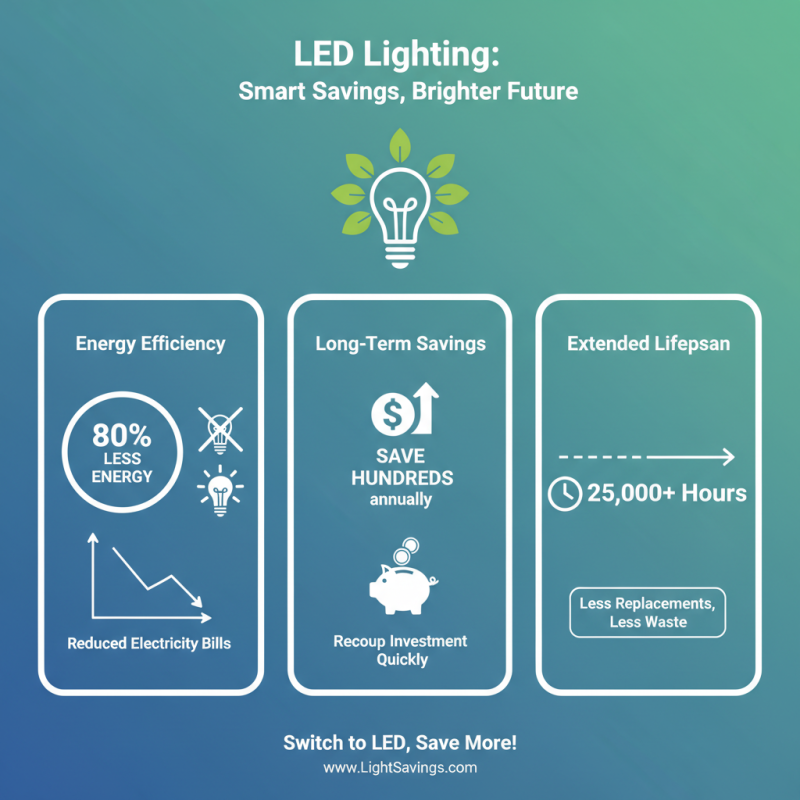
LED lighting has become increasingly popular among consumers due to its impressive long-term cost-saving benefits. One of the most significant advantages is reduced energy consumption. LED lights use up to 80% less energy compared to traditional incandescent bulbs. This translates to substantial savings on electricity bills over time. A household that replaces all their bulbs with LEDs can save hundreds of dollars each year.
Furthermore, LED bulbs have a longer lifespan than traditional options. Most LEDs last about 15,000 to 25,000 hours, while incandescent bulbs may last only 1,000 hours. This longevity means fewer replacements and lower maintenance costs. Consumers may initially hesitate due to the higher upfront price of LED lights. However, the total cost of ownership often reveals that LEDs are more economically viable in the long term.
It's essential to consider the environmental impact as well. Fewer bulbs in landfills contribute to sustainability. Still, consumers should reflect on whether their initial purchase aligns with their long-term financial goals. The transition to LED lighting requires some preparation and investment, but its benefits often outweigh the challenges faced in the process. Consumers must weigh their options carefully to ensure they make the best choice for their needs.
Enhanced Color Rendering and Quality in LED Lighting Applications
LED lighting is revolutionizing many industries with its exceptional color rendering capabilities. Studies have shown that LED lights can achieve a Color Rendering Index (CRI) of up to 98, closely mimicking natural light. This feature enhances the appearance of colors, making it essential for environments such as art galleries and retail stores. Improved color quality can directly impact customer satisfaction and purchasing decisions. In fact, an illuminating report indicates that 70% of consumers feel more positive about brands that use high-quality lighting.
Additionally, LED fixtures provide outstanding visibility in various applications. For instance, in healthcare settings, the right lighting can improve patient outcomes. Research suggests that well-lit environments lead to increased productivity and reduced error rates among medical staff. Such factors underscore the importance of investing in high-quality LED systems.
Tips: Always consider the color temperature when selecting LED lighting. Warmer tones can create a welcoming atmosphere, while cooler tones can enhance focus. Not all LEDs are created equal; it’s crucial to choose ones with high CRI ratings for accuracy. Finally, remember that while LEDs offer numerous benefits, initial costs can be higher. Balancing long-term savings with upfront investments may require careful consideration.
Top 10 Benefits of LED Lighting for Global Buyers
| Benefit |
Description |
Impact on Users |
| Enhanced Color Rendering |
LEDs provide better color accuracy than traditional lighting, which enhances the appearance of spaces and products. |
Improves overall aesthetic appeal and product presentation. |
| Energy Efficiency |
LED lights consume up to 80% less energy compared to traditional bulbs. |
Reduces electricity bills and overall energy consumption. |
| Long Lifespan |
Typically last up to 25,000 hours or more, greatly exceeding traditional options. |
Lowers maintenance and replacement costs. |
| Durability |
LEDs are solid-state lights, making them resistant to breakage and vibration. |
Enhances reliability in demanding environments. |
| Environmental Impact |
LEDs contain no toxic substances and are 100% recyclable. |
Support sustainability and reduce electronic waste. |
| Instant Lighting |
LEDs light up instantly without warm-up time. |
Enhances convenience and usability in everyday scenarios. |
| Dimmability |
Many LED systems can be dimmed to create desired lighting effects. |
Provides adaptability for various settings and moods. |
| Variety of Colors |
Available in multiple colors and color temperatures, enhancing design flexibility. |
Enriches creativity in lighting design. |
| Cost-Effectiveness |
Lower operational costs and frequent savings on replacements. |
Improves budget efficiency for long-term investments. |
Environmental Advantages of LED Lighting in Reducing Carbon Footprint
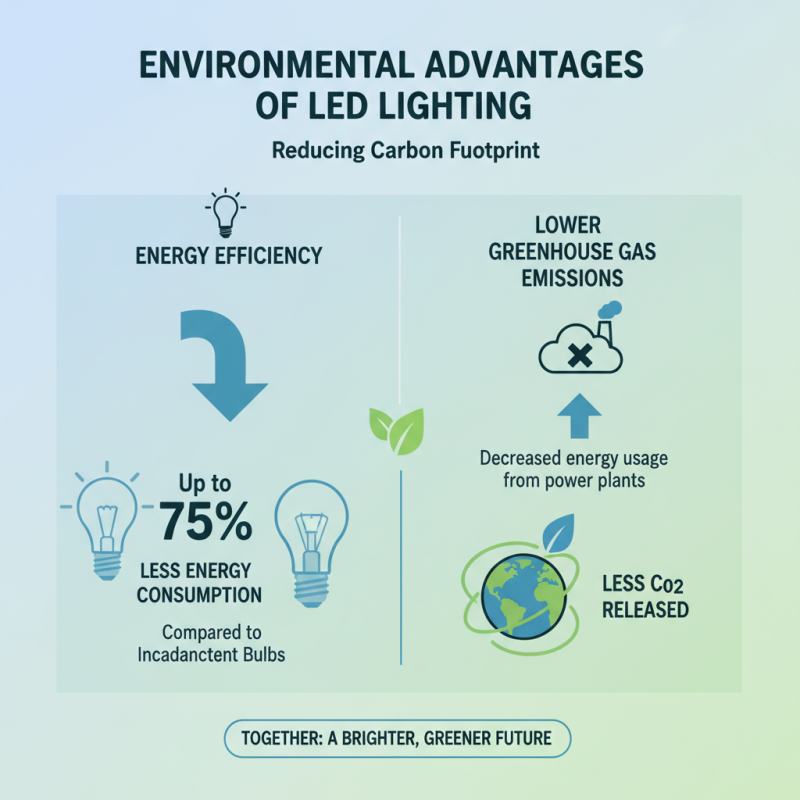
LED lighting offers significant environmental advantages that contribute to reducing the global carbon footprint. One major benefit is energy efficiency. LED lights consume up to 75% less energy than traditional incandescent bulbs. This decreased energy usage translates to lower greenhouse gas emissions from power plants, especially those relying on fossil fuels.
Additionally, LED lights have a longer lifespan. They can last up to 25,000 hours or more. This longevity means fewer light replacements and reduced waste. Fewer discarded bulbs lead to less environmental pollution. However, producing LEDs can involve harmful materials, raising concerns about disposal and recycling. A comprehensive approach to end-of-life management is vital.
Moreover, LED technology is rapidly evolving, which creates potential for even greater sustainability. New developments allow for improved light quality and controlled usage. Nonetheless, continuous reliance on older models can hinder progress. Buyers should consider the full lifecycle of lighting solutions. Building awareness around responsible consumption choices is essential for maximizing the benefits of LED lighting in creating a sustainable future.
Technological Advancements and Innovations in LED Lighting Solutions
The landscape of LED lighting has transformed significantly due to technological advancements. Recent reports indicate that the global LED market is projected to reach over $100 billion by 2025, propelled by innovations in efficiency and design. This remarkable growth indicates a strong shift toward energy-efficient solutions, which is vital in combating climate change. Modern LEDs now boast a lifespan of up to 50,000 hours, reducing the frequency of replacements.
Innovations in LED technology include smart lighting systems that can be controlled remotely. Integrated sensors allow for automatic adjustments based on ambient light levels and occupancy. A study from the U.S. Department of Energy highlights that smart lighting can reduce energy consumption by up to 30%. Moreover, advancements in color tuning technology enable users to adjust light temperatures, improving mood and productivity in various settings. While these innovations show great promise, it is crucial to ensure that they are accessible to all.
Despite these strides, challenges do remain. The initial cost of investment can be prohibitive for some buyers. Education on the benefits and installation processes is necessary for widespread adoption. Inadequate knowledge can hinder effective implementation. Continuous efforts must be made to bridge these gaps, ensuring everyone can benefit from the shift to sustainable lighting solutions.
Top 10 Benefits of LED Lighting for Global Buyers