In the rapidly evolving world of LED lighting, staying informed about the latest trends is vital for global buyers. Industry expert Dr. Emily Carter, CEO of Bright Future Lighting, emphasizes, “Innovation in LED lighting is not just a trend; it’s the future of sustainable illumination.” This statement captures the essence of how LED technology is transforming the market.
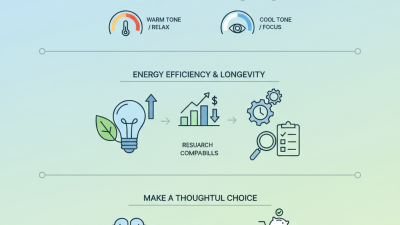
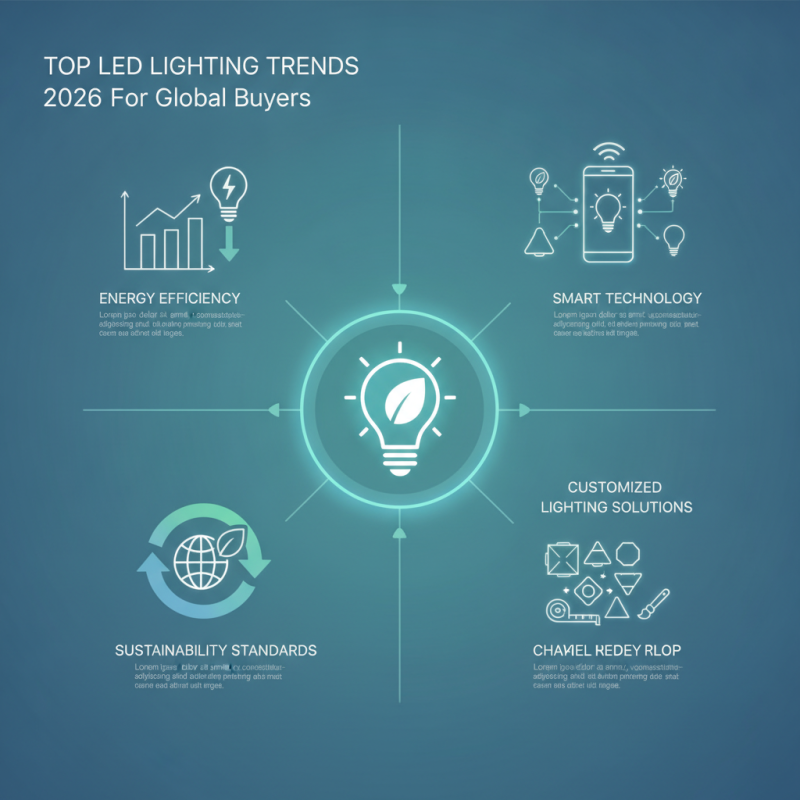
As we approach 2026, several key trends are emerging. Energy efficiency remains a crucial factor. Manufacturers are developing products that consume less energy while providing superior brightness. The integration of smart technology is also on the rise, with more consumers seeking convenient, app-controlled lighting solutions. However, not all products meet sustainability standards, making it important for buyers to research thoroughly.
The shift towards customized lighting solutions is another trend worth noting. Businesses may need personalized designs for their spaces. Yet, balancing aesthetics with functionality can be challenging. Buyers must navigate various options, ensuring they select the right LED lighting solutions that meet both practical needs and aesthetic preferences.
As we look ahead to 2026, the LED lighting industry is poised for significant innovations driven by emerging technologies. One prominent trend is the integration of smart technology into lighting solutions. According to a recent report from the International Energy Agency, smart lighting is set to capture over 40% of the market share by 2026. This integration not only enhances energy efficiency but also allows for personalized lighting experiences tailored to user preferences.
Another exciting development is the adoption of organic light-emitting diodes (OLEDs). Industry experts predict that the OLED market will grow at a CAGR of 14% from 2023 to 2028. These flexible lighting sources offer new design possibilities. However, the production costs of OLEDs remain a challenge. Companies are still exploring ways to scale production while maintaining quality.
Furthermore, advancements in LED chip technology are leading to higher efficacy and longer lifespans. Research suggests that the latest LED models can achieve over 200 lumens per watt by 2026. While this is promising, the industry must address the issue of environmental sustainability. The disposal of outdated LEDs could pose risks if not managed correctly. The path to innovation is not without its hurdles, but these emerging technologies show great potential for transforming the lighting landscape.
| Trend | Description | Key Technologies | Market Impact |
|---|---|---|---|
| Smart LED Solutions | Integration of IoT for intelligent lighting that can adapt to user preferences and behaviors. | IoT, AI, Machine Learning | Increased energy efficiency and enhanced user experience. |
| Human-Centric Lighting | Lighting solutions designed to support health and well-being by mimicking natural light cycles. | Circadian Rhythm Technology, Tunable White Light | Positive effects on mood, productivity, and overall health. |
| Sustainable Materials | Use of recyclable and eco-friendly materials in LED manufacturing. | Bioplastics, Sustainable Manufacturing Processes | Reduction of environmental impact and enhanced corporate responsibility. |
| Adaptive Lighting Systems | Lighting that adjusts based on external conditions and occupancy to optimize performance and energy use. | Sensors, Smart Controllers | Significant cost savings in energy consumption. |
| Hybrid Lighting Solutions | Combination of LED and natural lighting to enhance efficiency and aesthetic. | Daylight Harvesting, Advanced Dimming Technology | Improved energy efficiency and enhanced indoor lighting quality. |
The LED lighting industry is evolving rapidly. Sustainable practices are at the forefront of this shift. As global buyers consider their options, eco-friendly approaches are increasingly important. Manufacturers are focusing on reducing waste and energy consumption. This aligns with a growing demand for sustainable products.
Innovative materials are being developed. Recycled plastics are finding their way into new designs. Energy-efficient LEDs use less power and have longer lifespans. These changes not only lower environmental impact but also cut costs for consumers. However, challenges remain. The transition to sustainable practices can be slow and costly for some companies.
Transparency in production processes is vital. Consumers want to know how products are made. Honest labeling and certifications can enhance trust. While many companies are committed to sustainability, others may greenwash their efforts. It’s crucial for buyers to scrutinize claims. As the industry navigates these complexities, the importance of genuine sustainable practices cannot be overstated.
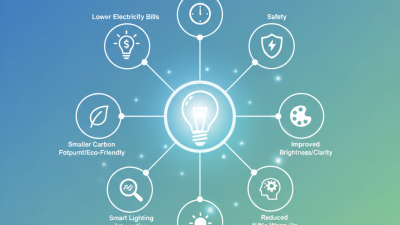
Smart lighting solutions are reshaping consumer preferences dramatically. According to recent industry reports, over 50% of consumers now prioritize energy efficiency when selecting lighting products. This trend reflects a growing awareness of environmental issues and energy costs. People are not merely looking for illumination; they want sustainable options that lower their electricity bills.
Moreover, smart lighting systems offer personalized experiences. These systems allow users to adjust brightness and color via apps, enhancing convenience. Interestingly, around 63% of consumers express interest in smart technology's ability to integrate lighting with other devices. Such features cater to the modern lifestyle, where connectivity and customization are crucial.
However, challenges remain. Many consumers still find smart lighting systems complex or intimidating. There is also skepticism about data privacy concerning smart devices. This hesitation can hinder widespread acceptance of advanced lighting solutions. As the industry evolves, addressing these concerns will be vital for boosting consumer confidence and adoption rates.
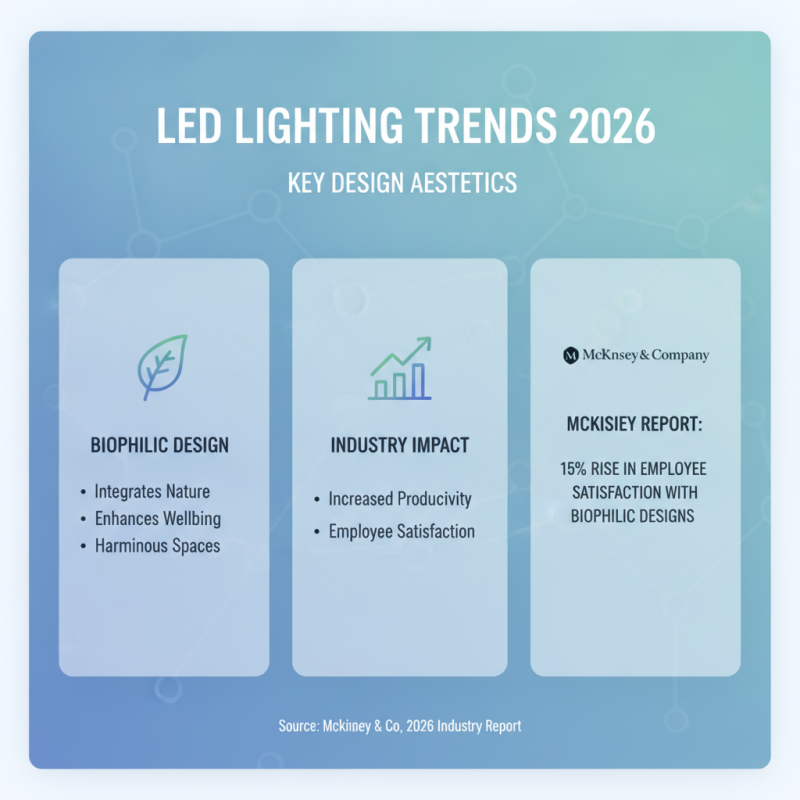
The LED lighting landscape is evolving rapidly, with 2026 set to introduce innovative design aesthetics. Industry reports highlight a shift toward biophilic design, which integrates natural elements into spaces. This approach enhances wellbeing and productivity, responding to consumer demand for more harmonious environments. According to a report by McKinsey, biophilic designs can increase employee satisfaction by up to 15%.
Sustainable materials and energy efficiency are also central to upcoming trends. Consumers prefer eco-friendly options that reduce carbon footprints. Research indicates that over 70% of buyers consider sustainability when purchasing lighting products. Incorporating recycled materials in LED fixtures not only appeals to environmentally-conscious buyers but can also enhance a brand's reputation.
Tip: Choose LED lights with dimmable features to create a versatile ambiance. This is crucial as adaptability becomes a sought-after quality. Consider incorporating smart lighting solutions that adjust based on natural light. Reflecting on what settings would work best for your space can lead to better decisions.
The LED lighting market is rapidly evolving. Emerging regions are becoming important players in this field. Countries in Asia, Africa, and Latin America show significant potential. Their growing economies and population drive the demand for energy-efficient lighting solutions. As sustainability becomes a priority, these regions are investing in LED technology.
Market insights reveal that major players focus on innovation and quality. They understand the importance of meeting local preferences. Customization is key to engaging diverse consumers. It’s crucial to be aware of regional regulations and standards, which can vary widely.
Tips: Consider local market needs when introducing new products. Engage with local businesses for better insights. Monitor trends in energy efficiency and sustainability, as consumers increasingly demand these features. Keeping a pulse on competition can also aid in strategic planning. Addressing the unique challenges in each market can lead to better acceptance and success.